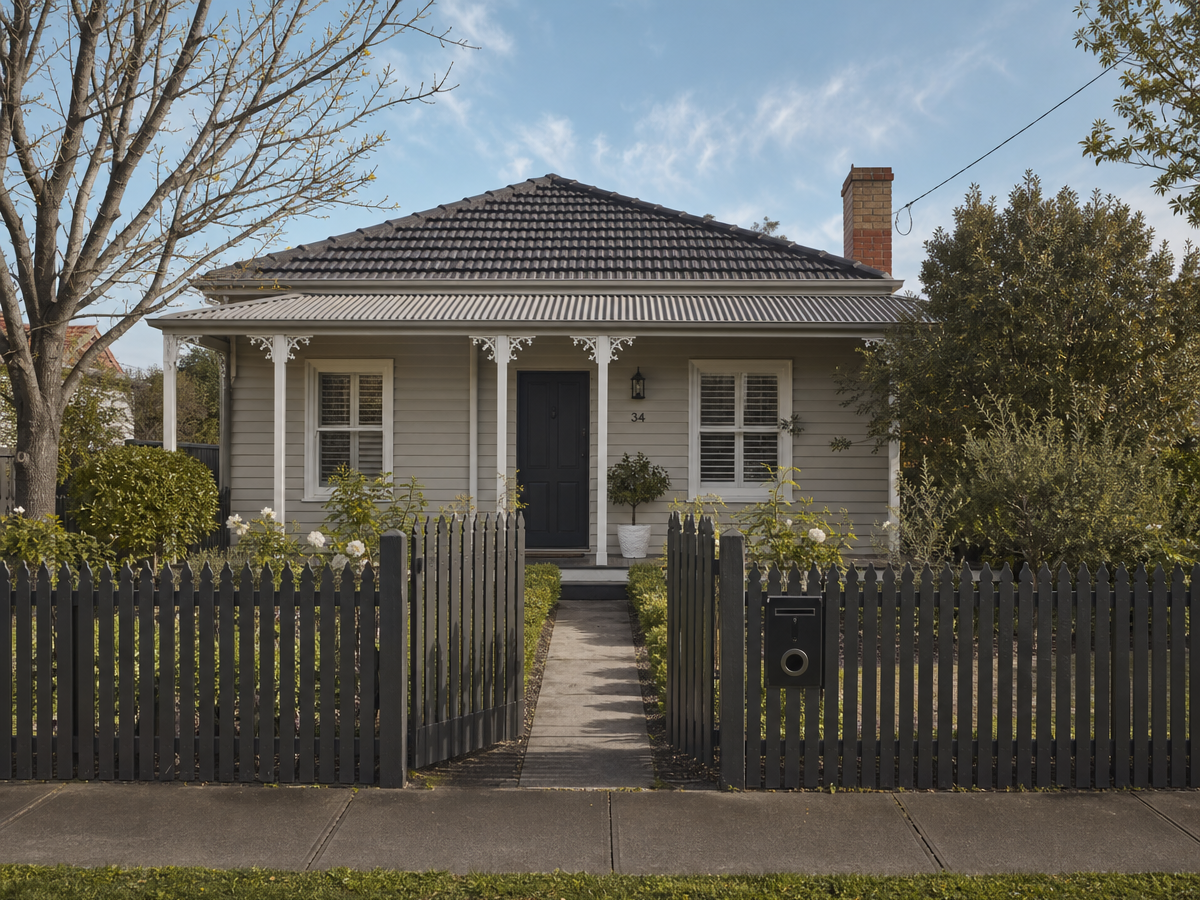
Buying a first home involves more decisions than most people expect, and the order you make them in matters almost as much as the decisions themselves.
This guide walks through the process step by step, from getting your finances in order to picking up the keys, along with the tips and mistakes worth knowing before you start.
Before you start looking at properties, it helps to know exactly where you stand financially.
Once your finances are clear, pre-approval is the next move. It gives you a realistic budget to search within, and it signals to sellers that you're a genuine, ready buyer.
Comparing lenders for a competitive rate is worth the extra time, and having your documents ready before you apply, proof of income, bank statements, and identification, speeds up what can otherwise take a few days to a few weeks.
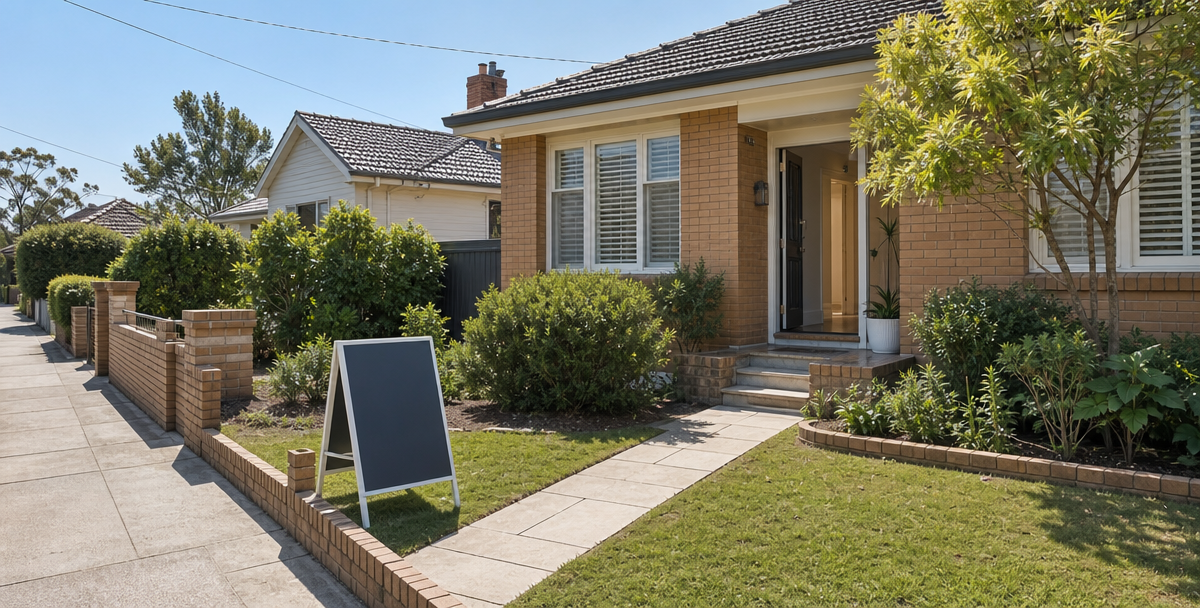
With a budget and pre-approval sorted, the search itself can begin. Start by narrowing down what actually matters, location, number of bedrooms, proximity to schools or transport, so you're not spending weekends on properties that were never going to work.
Open homes are still the best way to get a real feel for what your budget buys. If you'd rather not go it alone, a buyer's agent can shortlist properties, handle negotiations, and guide you through the process from here.
Found the right property? It's time to make an offer. Look at recent comparable sales and talk to local agents first, since a grounded sense of market value is what actually gives you leverage at the negotiating table.
From there, it's a matter of putting forward a number that reflects both your research and your budget, then working through any counteroffers until you and the seller agree on price, settlement timing, and conditions.
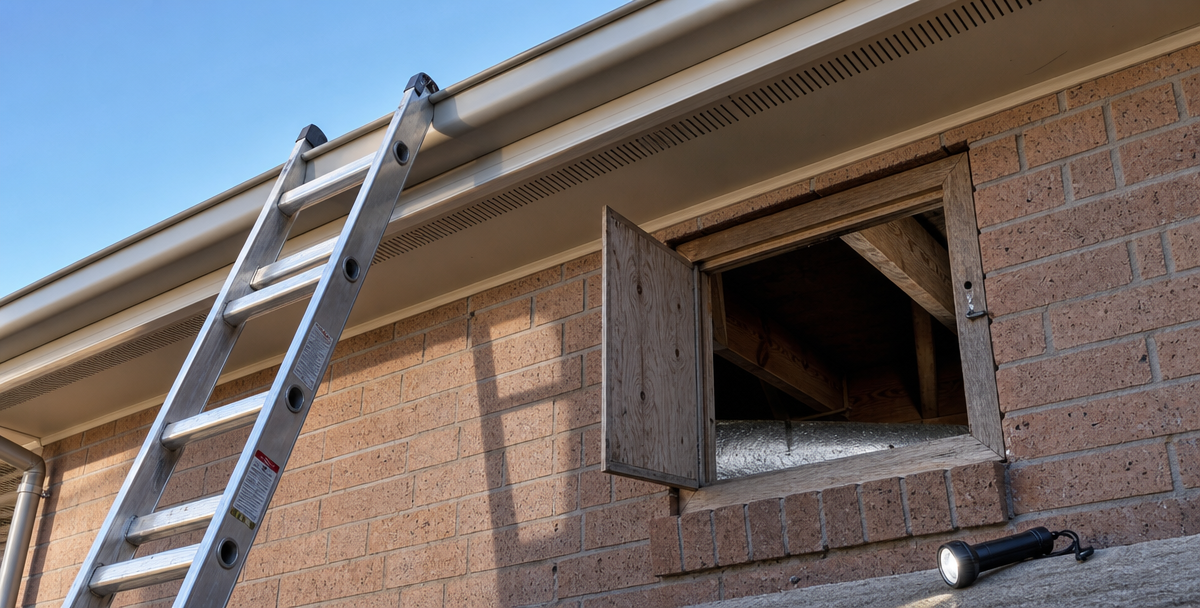
Before anything is finalised, arrange a building and pest inspection. A licensed inspector will flag structural issues or pest damage that aren't obvious on a walkthrough, and that report becomes your evidence if something needs fixing, renegotiating, or walking away from.
Read the report properly rather than skimming the summary. Some issues are minor and expected in an older home. Others are the kind that change the entire calculation.
If the inspection checks out, finalising the loan comes next. Your lender will typically ask for a few more documents at this stage, most notably the signed contract of sale, before issuing formal approval.
Once that comes through, it's a matter of signing the loan paperwork and locking in a settlement date.
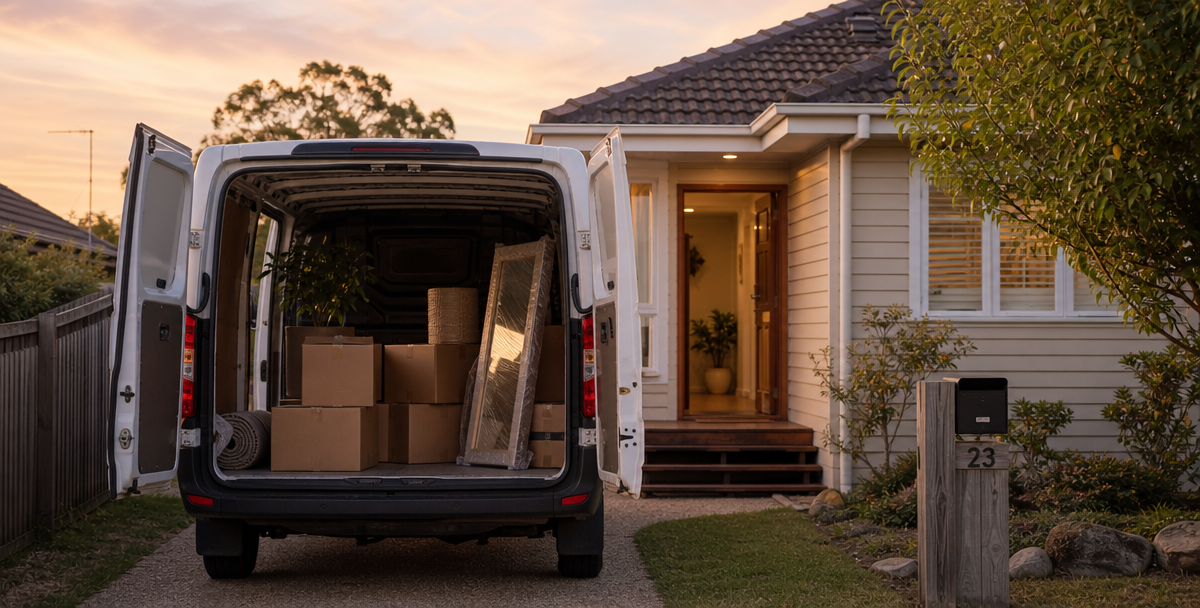
Settlement is the last real step. Your conveyancer or solicitor handles the legal and financial details in the lead-up, and on the day itself, your lender transfers the funds and you receive the keys.
From there, it's simply logistics: organise the move, transfer your utilities, and settle into a home that's finally yours.
A handful of habits separate a smooth purchase from a stressful one.
A few mistakes show up more often than the rest.
Buying your first home is a significant step, and it's also one you can move through with confidence once you understand what lies ahead. Each stage builds on the last, from getting your finances in order through to picking up the keys, and the buyers who feel calmest about it are usually the ones who prepared earliest.
If you're weighing up where you actually stand right now, that's exactly the kind of question worth working through properly before you commit. That's what The Clarity Brief is for, bringing your numbers and your plan into focus before you act.

TWO WAYS IN

A 90-minute session with a senior advisor. A written diagnostic within 48 hours. You'll walk away knowing exactly where you stand today, where you're heading, and the moves required to bridge the gap.
Book The Clarity Brief™$990 · 90 minutes · diagnostic in 48hrs

A 5 minute diagnostic that reveals your archetype, your strengths and blind spots, and the wealth engine pattern most likely to work for you.
Discover your archetypeFree · 5 minutes · instant results
