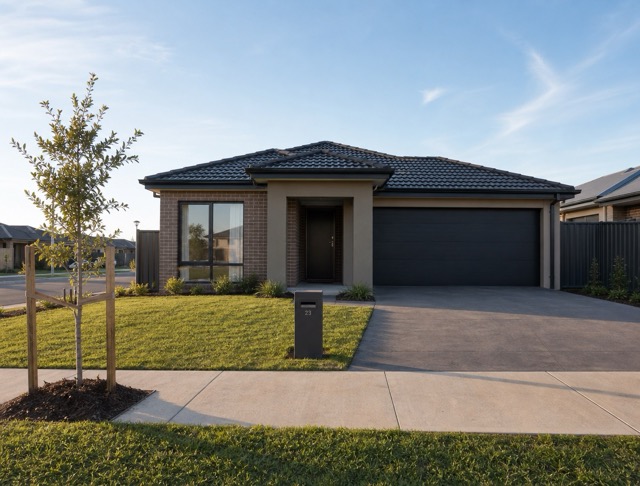
As a first home buyer in Australia, you have access to several grants and incentives that can reduce the upfront cost of buying a home. These schemes change fairly often, so treat the figures below as a starting point and always confirm current amounts and rules before you rely on them.
Here's what's available at the federal and state level, who typically qualifies, and how to apply.
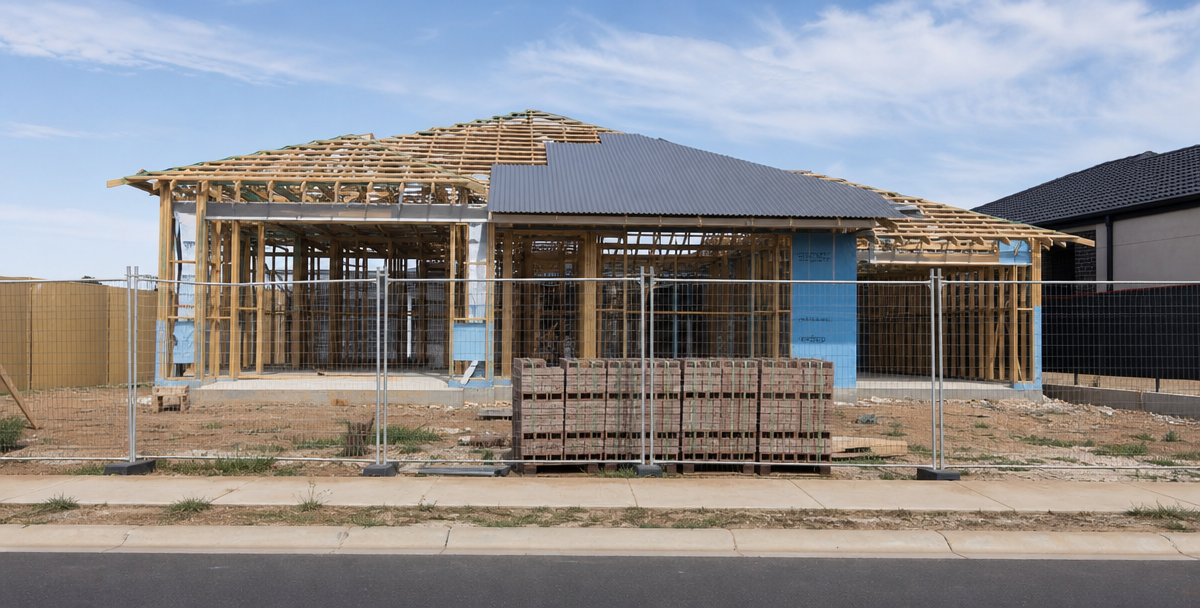
The First Home Owner Grant is a one-off payment for first-time buyers purchasing or building a new home. Amounts and rules are set by each state and territory individually, and they vary widely and change often. Some jurisdictions offer no cash grant at all, while others offer a substantial one, so it's worth checking your state revenue office directly rather than relying on a fixed figure.
Eligibility: you generally need to be an Australian citizen or permanent resident, buying or building a new home rather than an existing one, with the property's value falling within your state's specified limit.
How to apply: apply through your state or territory's revenue office, or through your lender, with proof of identity, your contract of sale, and proof of occupancy.
Tip: combine the FHOG with stamp duty concessions where both apply, since many states allow you to stack them.
Stamp duty can be one of the largest upfront costs for a first home buyer, and most states and territories offer a concession or full exemption to reduce or remove it for eligible buyers.
Eligibility: this varies by state, but typically requires you to be a first-time, owner-occupier buyer purchasing below a set value threshold.
How to apply: apply through your state or territory's revenue office, with proof of purchase, proof of identity, and any other requested documents.
Tip: check your specific state's threshold carefully, since a full exemption and a partial concession can apply at different price points within the same state.
The scheme once known as the First Home Loan Deposit Scheme was renamed the First Home Guarantee in 2022 and has since been expanded further. It allows eligible first home buyers to purchase with a deposit as low as 5 percent without paying Lenders Mortgage Insurance, because the federal government guarantees part of the loan. From October 2025, the scheme removed its income caps and annual place limits, and it now applies to established homes as well as new ones, which is a meaningful change from how the scheme originally worked.
Eligibility: you generally need to be an Australian citizen or permanent resident purchasing an owner-occupied home, though it's worth confirming current criteria directly with Housing Australia or a participating lender given how recently the rules changed.
How to apply: apply through one of the scheme's participating lenders, with proof of income, identity, and other required documents.
Tip: this scheme can often be used alongside the FHOG and stamp duty concessions, so it's worth asking your lender or broker how the three interact for your specific purchase.
The First Home Super Saver Scheme lets you save part of your deposit inside your superannuation fund, taking advantage of the lower tax rate that applies to voluntary super contributions rather than your regular income tax rate.
Eligibility: you need to be an Australian citizen who has never owned property in Australia before, and you generally need to intend to live in the property for at least six months within the first twelve months of purchase.
How to apply: apply through the Australian Taxation Office after making eligible voluntary contributions to your super fund, with proof of savings, identity, and eligibility.
Tip: making voluntary contributions consistently over time, rather than a single lump sum close to purchase, generally makes better use of the scheme's tax treatment. Speak with your accountant or financial adviser about current contribution caps before you commit to a strategy.
Beyond the federal schemes, most states and territories run their own additional grants, concessions, or rebates for first home buyers, and these are updated more often than the federal schemes.
Eligibility: this varies by state and territory, so check your local government's website for current details.
How to apply: follow the process set out by your state or territory's revenue office.
Tip: combining a state-specific incentive with the federal schemes above is often where the largest total savings come from, so it's worth checking what your state offers on top of the national picture.
Buying your first home in Australia is often more achievable than it looks once you account for the grants and incentives available to you. The details shift regularly though, so treat this as a starting point and confirm the current rules for your state and situation before you rely on any of it.
If you're trying to work out which combination of schemes actually fits your situation and timeline, that's exactly the kind of question The Clarity Brief is designed to help answer, bringing the decision back to what actually applies to you before you act on it.

TWO WAYS IN

A 90-minute session with a senior advisor. A written diagnostic within 48 hours. You'll walk away knowing exactly where you stand today, where you're heading, and the moves required to bridge the gap.
Book The Clarity Brief™$990 · 90 minutes · diagnostic in 48hrs

A 5 minute diagnostic that reveals your archetype, your strengths and blind spots, and the wealth engine pattern most likely to work for you.
Discover your archetypeFree · 5 minutes · instant results
