
Property investment rewards patience and preparation. Most costly mistakes are avoidable once you know where they tend to happen, and the fastest way to build confidence is learning from the missteps other investors have already made.
This guide covers five mistakes that trip up first-time and early-stage investors most often, along with what to check before each one becomes a problem.
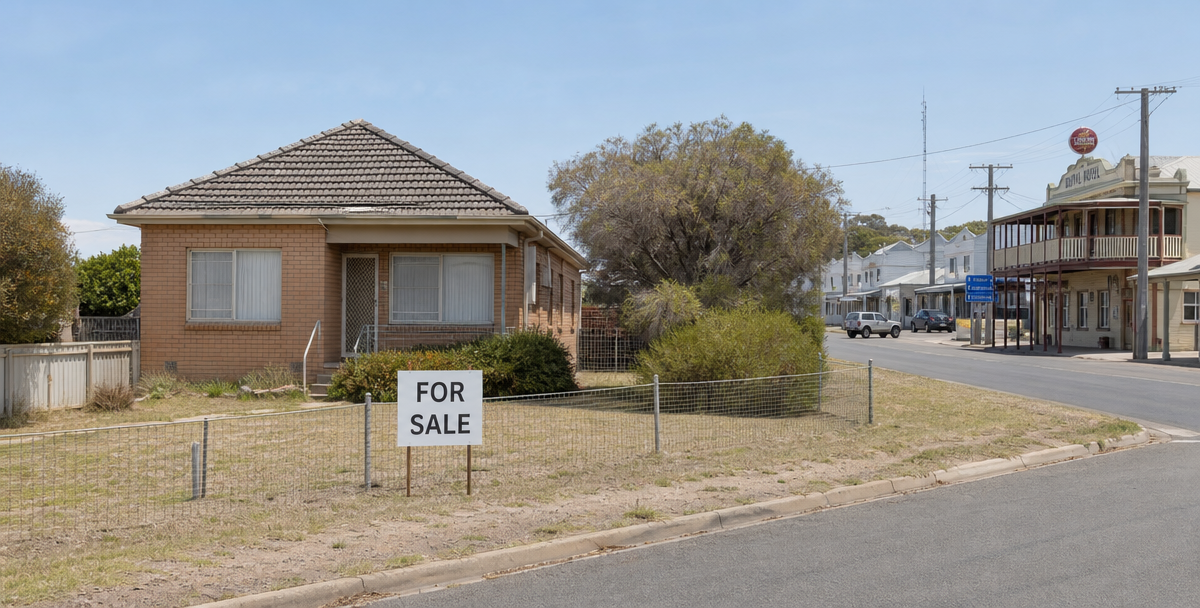
Buying without understanding the market, the neighbourhood, or realistic return expectations is one of the most common ways an investment underperforms.
A proper market analysis looks at recent comparable sales, days on market, rental vacancy rates, and any planned local infrastructure or zoning changes that could affect future demand. This matters as much in regional and interstate markets as it does locally, since dynamics can vary significantly between areas.
A buyer's agent or local real estate professional can add value here, particularly for data and on-the-ground insight that isn't always visible from a listing.
Action step: Before making an offer, confirm recent comparable sales and vacancy rates for the specific suburb and property type, not just the broader region.
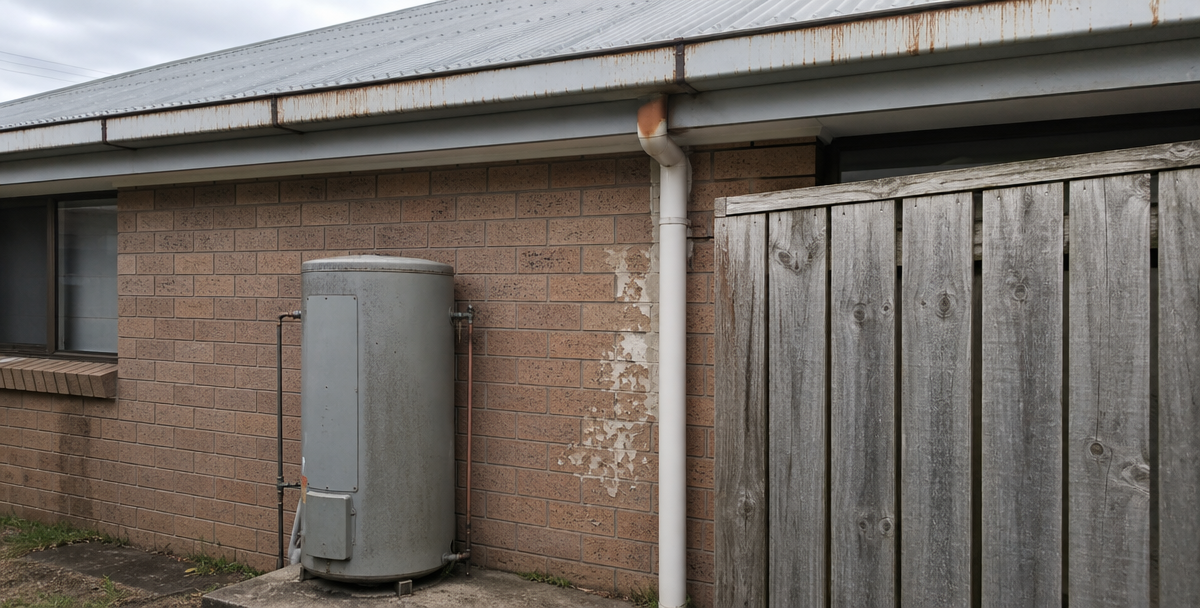
New investors often budget for the purchase price and the mortgage, and underestimate everything that sits around them.
A realistic budget accounts for council rates, landlord insurance, maintenance, property management fees, and strata or body corporate fees if the property is a unit or townhouse. It also needs to include state-based costs such as stamp duty and, depending on the state and the size of your portfolio, land tax, since thresholds and rates vary and are worth confirming with your state revenue office or accountant before you buy. A quantity surveyor's depreciation schedule can also be worth obtaining, since it may support genuine tax deductions relevant to your situation.
A contingency fund matters just as much as the budget itself. Vacancies, repairs, and rate changes all happen, and a buffer keeps cash flow intact when they do.
Action step: Build a full cost budget covering stamp duty, land tax where applicable, council rates, insurance, and management fees, then set aside a contingency fund on top of it.
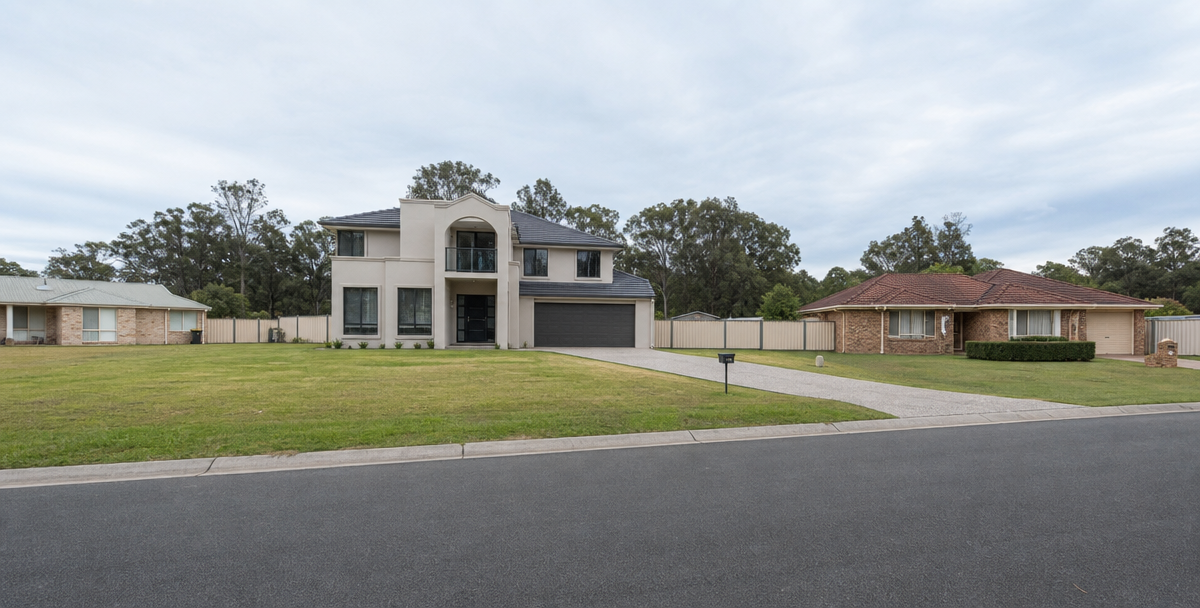
It's easy to stretch further than planned once the search is underway, and overextending is one of the more common ways an otherwise sound strategy runs into trouble.
Lenders typically test your borrowing capacity against a serviceability buffer, meaning they assess whether you could still make repayments if interest rates rose by several percentage points above the current rate. Your loan-to-value ratio (LVR) also affects both how much you can borrow and whether lenders mortgage insurance applies, so it's worth understanding both before committing to a purchase price.
Sticking to a clear budget and stress-testing repayments against a higher rate scenario keeps the numbers realistic rather than based on current conditions holding indefinitely.
Action step: Ask your mortgage broker to stress-test your repayments at a higher interest rate before you commit to a purchase price.
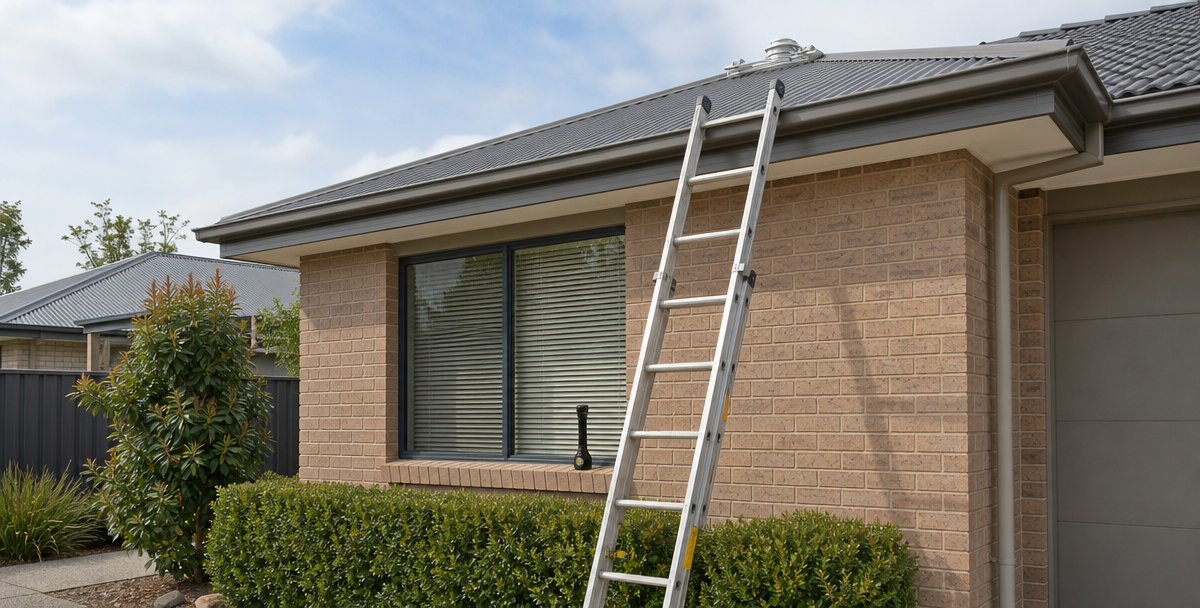
Skipping steps before settlement is where some of the most expensive surprises originate.
Building and pest inspections identify structural or pest issues that can be costly to fix after the fact. Reviewing the property's title, any strata reports for units, and its ownership history can flag legal or structural issues early. Having a conveyancer or solicitor review the contract of sale before signing, and understanding the cooling-off period that applies in your state, gives you a genuine opportunity to walk away if something doesn't check out.
Action step: Arrange building and pest inspections and have a conveyancer review the contract before you sign, not after.
Many first-time investors try to manage the process alone, without the team that experienced investors typically rely on.
A buyer's agent, mortgage broker, accountant, conveyancer, and property manager each bring a different piece of expertise, and together they reduce the chance of a costly oversight. Ongoing education, through books, workshops, or webinars, adds to that foundation over time rather than replacing it.
Action step: Identify which professional your current strategy is missing, whether that's a mortgage broker, accountant, or property manager, and bring them in before your next purchase.
None of these mistakes are unusual, and most are avoidable with the right preparation. Thorough research, a realistic budget, disciplined borrowing, proper due diligence, and the right professional support are what separate a well-managed investment from a stressful one.
If you're weighing your next purchase, the value is in testing it against your numbers and your structure before you commit. That's the purpose of The Clarity Brief, which brings the decision back to fit and sequence before you act on it.

TWO WAYS IN

A 90-minute session with a senior advisor. A written diagnostic within 48 hours. You'll walk away knowing exactly where you stand today, where you're heading, and the moves required to bridge the gap.
Book The Clarity Brief™$990 · 90 minutes · diagnostic in 48hrs

A 5 minute diagnostic that reveals your archetype, your strengths and blind spots, and the wealth engine pattern most likely to work for you.
Discover your archetypeFree · 5 minutes · instant results
