
If you're a cautious investor, 2026 feels like a trap. Prices have already risen from earlier lows, the cash rate has climbed again, and every headline seems to flip between boom and collapse. You're weighing the risk of overpaying against the risk of being priced out for good.
Right now, the Reserve Bank's cash rate sits in the mid-4s after a series of hikes in early 2026, pushing borrowing costs well above the ultra-cheap money period of a few years ago. At the same time, multiple forecasts expect Australian house prices to keep rising through 2026, with some capitals tipped for mid to high single-digit growth rather than a downturn.
For a capital protector, that combination is genuinely uncomfortable to sit with.
Most buyers treat timing as a single yes-or-no question: is now a good time to buy property? They look for one answer that applies to every city, every price point, and every personal situation.
Markets move in cycles, and so does your own life. The right time depends on you, and it sits at the intersection of three moving parts.
Most people fixate on the market clock alone, waiting for the perfect combination of low rates, low prices, and high rents. By the time that trifecta appears, the best assets have usually already moved, and so has their borrowing capacity.
Protecting your capital comes down to buying quality assets in resilient locations, at a time when:
This shifts the real question from will prices fall next quarter to something more useful: can you buy a quality property in a fundamentally strong suburb, at a price you can hold through higher rates and flat rents, without putting your lifestyle at risk?
Answering that version of the question is what lets you act like the capital protector you actually are, instead of trying to out-guess the RBA.
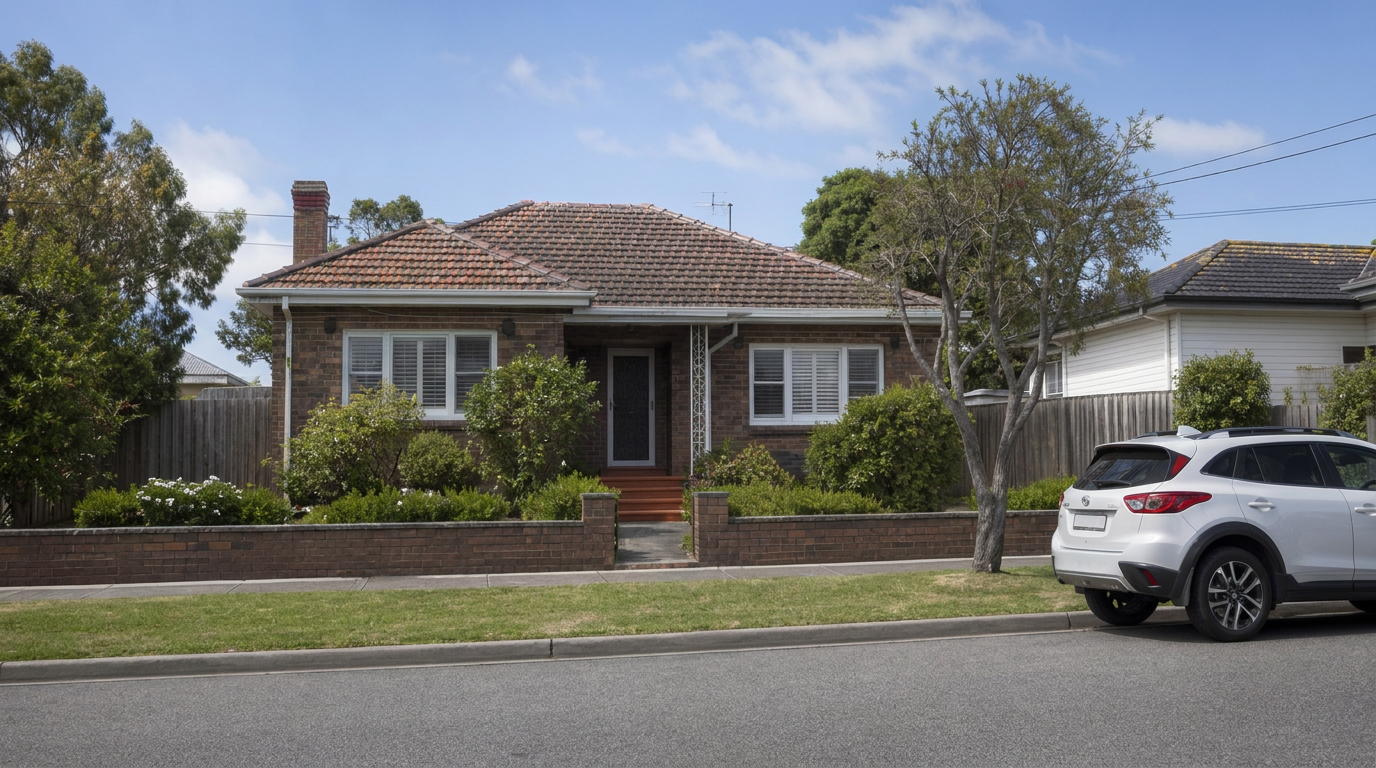
The market clock is what most timing articles focus on, and in 2026 three things stand out.
A few questions are worth asking yourself here.
For a capital protector, the right time is rarely when optimism is highest. It's usually when the data points to ongoing demand and limited supply, while the mood stays cautious enough that you're not bidding against a stampede.
A concrete example of how this plays out on the ground is in Best Investment Suburbs In NSW For 2026, where the focus stays on long-term fundamentals rather than short-term hype.
The second clock is entirely personal. It has everything to do with your financial resilience and nothing to do with forecasts.
In a 4-plus per cent cash rate environment, your buffers matter more than your negotiation skills. A capital protector should be able to look at their position and say: if rates go higher, or stay higher for longer than expected, I can ride this out without panic.
This is where a structured 2026 Due Diligence Checklist For Investment Property Buyers earns its keep, because it forces you to stress-test the numbers before you fall in love with a property.
You can have a supportive market and strong finances, and the timing can still be wrong if your life is unstable.
Capital protectors rarely come undone over one bad purchase. They run into trouble when they buy a good property at a time when their life is already stretched too thin to handle the demands of ownership. The right time to buy is when your personal situation can absorb shocks as calmly as your balance sheet.
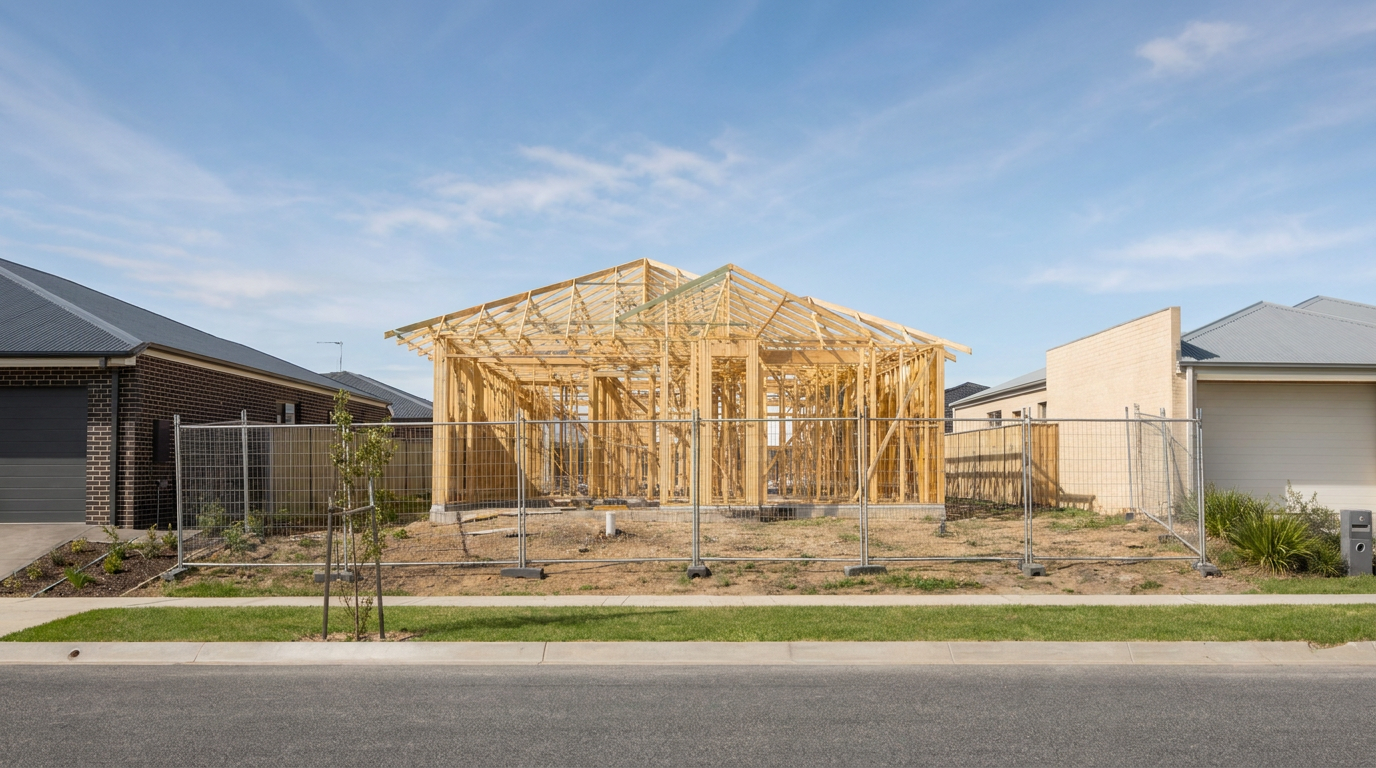
Reading where rates and prices are likely headed helps you avoid obvious mistakes, without getting paralysed by every new forecast that comes out.
When the baseline scenario is rates staying elevated rather than skyrocketing, and prices rising modestly rather than imploding, waiting for a dramatic crash becomes more of a psychological comfort than a realistic plan. For a capital protector, buying a quality asset in a steady market with good numbers is safer than gambling on timing the perfect dip.
The RBA's May 2026 decision lifted the cash rate to around 4.35 per cent, its third hike this year, which is why borrowing now feels very different to the near-zero era.
The right time to buy is when you can survive the ugly scenarios without needing to sell.
Most capital protectors regret buying only when they're forced to sell. Building in conservative buffers turns your timing decision from a guess into a risk-managed move, which is also where understanding how to use equity to grow your property portfolio comes in: stretching every dollar of borrowing capacity on your next purchase can shrink your long-term options rather than expand them.
For a capital protector, the cost of being early and the cost of being late both matter, and both are worth quantifying rather than guessing.
In a world of tight rentals and modest but positive price growth, waiting carries a real cost. Rates may fall later, but prices and competition may also rise, leaving you with less choice. When your buffers, income, and life plans are ready, buying a well-selected asset this year often carries less capital risk than waiting indefinitely.
Several 2026 outlooks suggest national house prices could rise in the mid-single to high-single digits this year, with some capitals forecast to grow even faster and rents expected to outpace their long-term average.

With solid buffers, stable income, and a focus on quality assets in fundamentally strong suburbs, 2026 can be a genuinely reasonable time to buy. Rates are higher, but forecasts generally point to continued price and rent growth rather than a crash, which makes waiting for a big reset more of a speculation than a strategy.
Waiting for lower rates can increase your borrowing capacity, but if prices and rents rise in the meantime, your overall position may stay the same or even worsen. For a capital protector, buying when you can comfortably hold at today's rates, with a buffer for higher ones, is usually the smarter move over delaying purely in hope of a cheaper mortgage later.
Forecasts are never perfect, and most reputable outlooks currently point to further price growth in 2026 rather than broad declines, with stronger gains expected in more affordable capitals and well-located outer-ring suburbs. Individual properties and suburbs will still vary widely, which is why your asset and suburb selection matter more than the national headline.
Timing risk can be reduced, though never removed entirely, by focusing on suburbs with strong fundamentals, buying below intrinsic value where possible, and stress-testing your cash flow for higher rates. A structured due diligence process and a clear equity plan protect your capital far better than impulsive decisions made off headlines.
For you, the right time to buy property in Australia is when your three clocks line up: the market is supportive rather than euphoric, your money position is resilient, and your life is stable enough to hold an asset for a decade.
When your buffers are strong, your income is predictable, and you can target suburbs with genuine demand and tight rentals, buying a well-selected property in 2026 can be a genuinely conservative move. Pair that with a deliberate plan for using equity to grow your portfolio over time, and every purchase becomes less about timing the bottom and more about steadily compounding your position.

TWO WAYS IN

A 90-minute session with a senior advisor. A written diagnostic within 48 hours. You'll walk away knowing exactly where you stand today, where you're heading, and the moves required to bridge the gap.
Book The Clarity Brief™$990 · 90 minutes · diagnostic in 48hrs

A 5 minute diagnostic that reveals your archetype, your strengths and blind spots, and the wealth engine pattern most likely to work for you.
Discover your archetypeFree · 5 minutes · instant results
