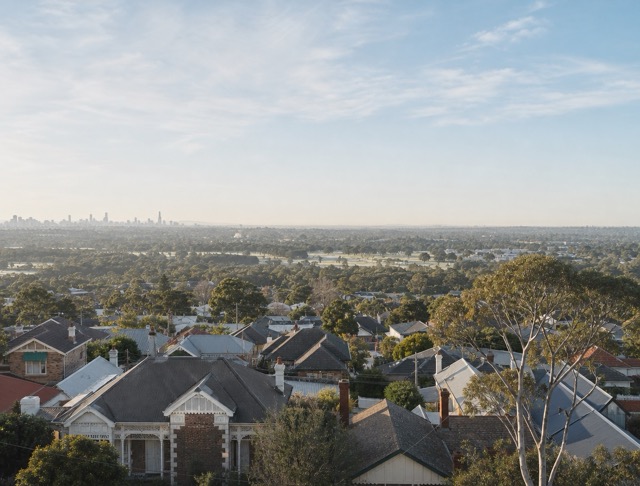
If you’re planning to invest in property this year, suburb selection matters more than broad market noise. New South Wales is moving through 2026 with a more selective investment landscape, shaped by affordability pressure, uneven price growth, and persistent rental demand across parts of both metro and regional markets. In this kind of environment, strong results are less about chasing a headline suburb and more about choosing a location that still works under real-world holding conditions.
That is why the sharper question is not simply which suburb looks hottest. It is which type of suburb still makes sense when filtered through your borrowing capacity, risk tolerance, income needs, and longer-term portfolio plan.
Current market commentary points to a NSW property landscape where performance is becoming more local and less uniform. Some Sydney activity has remained concentrated in premium and attached-dwelling markets, while regional NSW continues to show tight rental conditions and resilience in locations with durable economic drivers.
That matters because broad state-level forecasts can hide the real differences between one suburb and the next. In 2026, buyer decisions are being shaped by finance constraints, rental pressure, supply patterns, and whether a suburb offers usable fundamentals rather than just momentum.
A strong investment suburb in NSW is more likely to show a combination of practical demand drivers rather than one standout metric. In this environment, the more durable signals include consistent rental demand, access to transport or employment, manageable supply risk, owner-occupier appeal, and entry pricing that still fits the investor’s broader structure.
This is where many buyers get pulled off course. A suburb that works for a growth-focused investor may not suit someone prioritising yield, and a suburb that appears safe on paper can still create pressure if holding costs, exit depth, or future supply are poorly understood.
Rather than trying to crown one “best” suburb across the whole state, it makes more sense to focus on the types of suburbs showing the right conditions in 2026.
Established suburbs linked to transport upgrades, hospital precincts, universities, or expanding employment access can attract both tenants and owner-occupiers over time. These locations often hold their appeal because they combine usability with demand depth, which can make them more resilient than markets built on attention alone.
For investors, this can support a more balanced outcome. Yield may not always look exceptional at first glance, although the broader appeal of the location can strengthen holding quality and reduce the need to depend on one narrow market story.
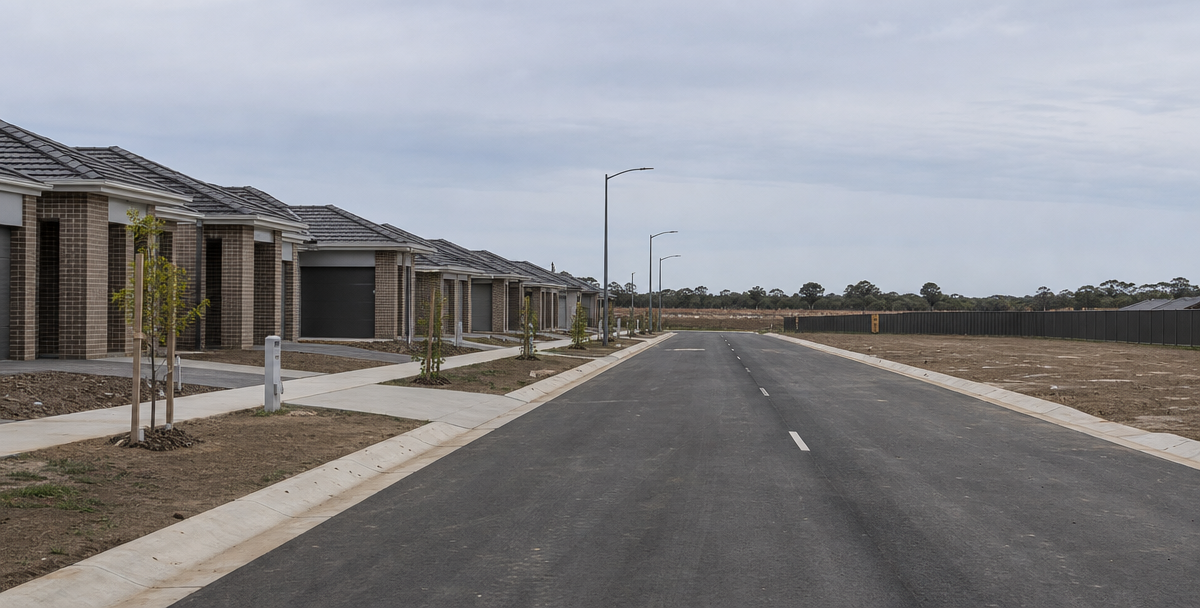
Reporting on 2026 buyer patterns points to continuing activity in outer suburban growth areas, especially where housing remains comparatively accessible and infrastructure is improving. In NSW, these corridors are worth watching when they are supported by population inflows, transport access, and genuine employment links rather than by estate marketing alone.
These areas can work for investors who want a clearer affordability story and some exposure to expanding demand. The caution is that not every growth corridor behaves the same way, especially where large future supply can soften resale conditions or reduce rental tension.
Regional NSW remains relevant for investors, especially where healthcare, education, government services, or other diversified economic anchors support the tenant base. Tight rental conditions and upward pressure on rents reinforce the importance of income-focused regional markets this year.
This type of market can suit investors who value stronger cash flow than many metro equivalents may offer. The trade-off is that exit markets can be narrower, and performance can weaken quickly if the local economy is too concentrated or supply rises unexpectedly.
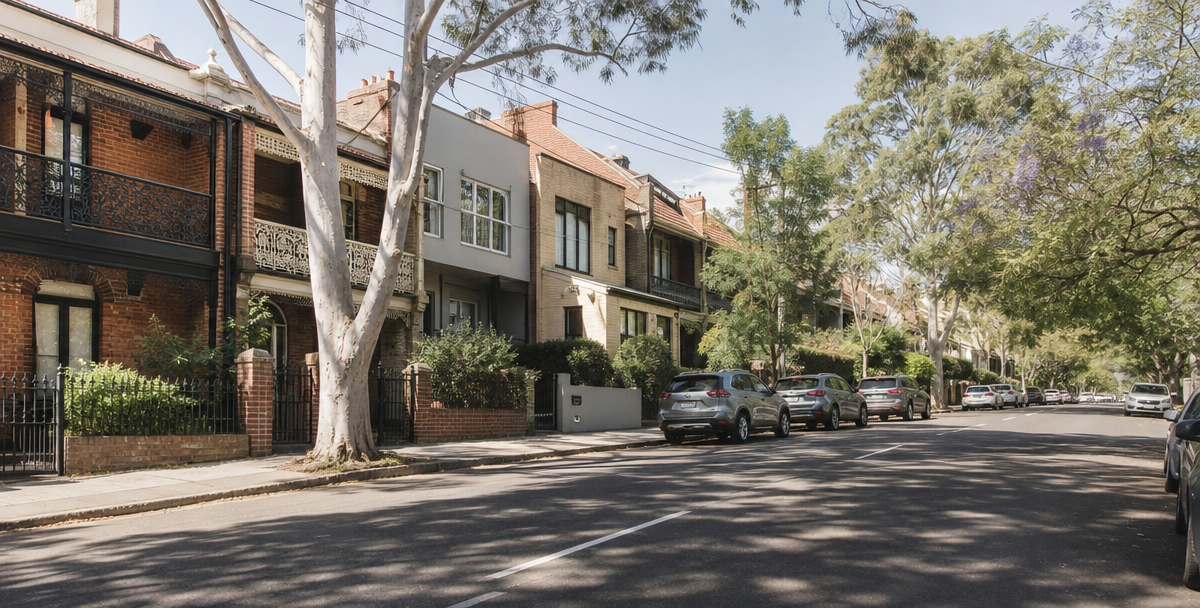
Another category worth tracking is the suburb sitting next to a more tightly held or higher-priced market. As affordability pressure builds, buyer demand can spill into neighbouring areas that still offer connection, amenity, and access without the same entry cost.
This strategy can suit investors who want growth exposure without stretching their balance sheet too far. It generally requires patience, suburb-level analysis, and a willingness to look past hype until the underlying demand case is clear.
Not every suburb that looks attractive online is a strong investment location. In 2026, some of the more relevant risks include heavy investor concentration in new estates, large future supply pipelines, locations tied too closely to one economic driver, and markets where headline yield looks strong but resale depth is weak.
This is particularly relevant in NSW, where price points can push buyers toward compromise too quickly. A suburb may appear affordable relative to Sydney while still failing to support the holding strategy, tenant profile, or next move in the portfolio.
The strongest investment suburbs in NSW for 2026 are unlikely to be the ones getting the most attention. They are more likely to be the suburbs that continue to make sense when tested against demand durability, supply risk, financing reality, and the role the asset needs to play inside the portfolio.
That shifts the decision away from chasing a ranking and back toward building with intent. Growth, cash flow, and resilience all matter, although the right balance depends on the investor, the structure, and the plan that follows after this purchase.

TWO WAYS IN

A 90-minute session with a senior advisor. A written diagnostic within 48 hours. You'll walk away knowing exactly where you stand today, where you're heading, and the moves required to bridge the gap.
Book The Clarity Brief™$990 · 90 minutes · diagnostic in 48hrs

A 5 minute diagnostic that reveals your archetype, your strengths and blind spots, and the wealth engine pattern most likely to work for you.
Discover your archetypeFree · 5 minutes · instant results
