
If you’re planning to invest in Victoria this year, suburb selection will matter more than state-level headlines. Interest rate shifts, uneven price growth, and changing buyer demand have created a market where performance is likely to concentrate in specific pockets rather than across the whole map. Some locations are already showing strong fundamentals, while others look appealing on the surface but carry risks that only become obvious under stress.
The sharper question for investors is not “What is the best suburb?” but “Which suburbs still make sense once they are tested against my borrowing capacity, income needs, and longer-term portfolio plan?”
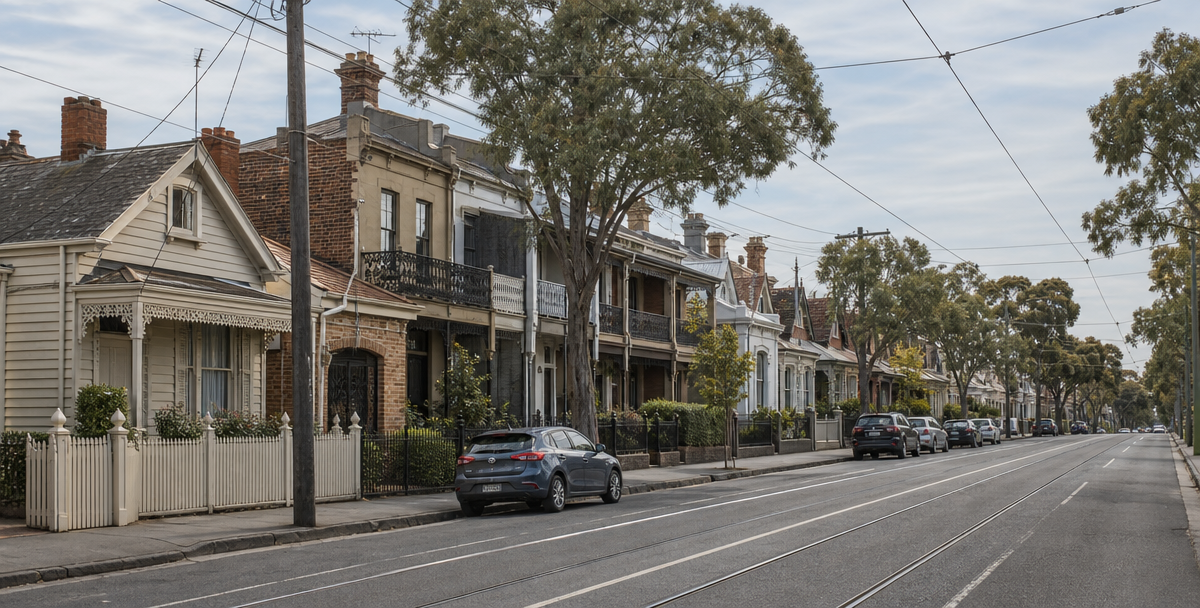
The Victoria property market outlook for 2026 points to selectivity rather than blanket growth. Broad uplift across the state is unlikely. Instead, performance is expected to centre on suburbs with strong employment access, infrastructure investment, and consistent rental demand.
Buyers should expect three main themes:
That shift makes suburb choice critical. It matters for growth potential, yield, and risk, but more importantly for how the portfolio behaves through different stages of the cycle.
Before narrowing down to specific locations, it helps to define what “strong” actually means in the current Victorian context.
The suburbs that tend to hold up best usually show:
In Victoria, these factors are increasingly suburb-specific rather than postcode-wide. Two investors can look at the same data and reach different conclusions because one is chasing capital uplift, another is prioritising cash flow, and a third is focused on downside protection and long-term resilience.
No forecast is guaranteed, but several types of Victorian suburbs stand out based on current indicators and buyer behaviour.
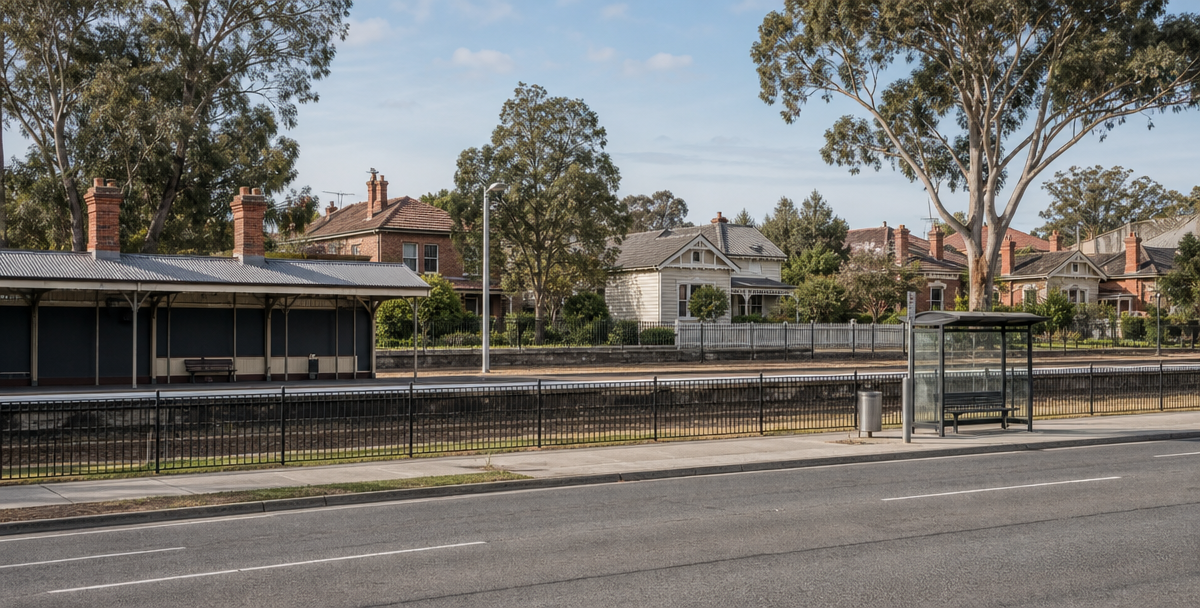
Established suburbs connected to transport projects, hospital upgrades, or university expansion continue to attract attention. These locations often combine liveability and rental appeal, which can support both yield and capital performance over time.
For growth-focused investors, infrastructure can help drive demand and improve owner-occupier appeal. For those prioritising income, these suburbs tend to offer more reliable tenant pools than newer estates. For portfolio builders, they represent the kind of fundamentals-driven asset that compounds quietly without needing constant intervention.
Some regional Victorian centres have been outperforming because they sit on diversified local economies and stable employment bases. Areas supported by healthcare, education, and government services can attract tenants and owner-occupiers who value affordability and access.
These locations may appeal to investors seeking stronger yields than many metro equivalents. The trade-off is usually slower capital growth and narrower exit markets. They work best when cash flow is a priority and the investor is not relying on rapid equity growth to fuel the next purchase. Understanding local drivers is essential; regional markets can be less forgiving if economic anchors weaken or supply rises sharply.
Investors are increasingly targeting suburbs that sit beside premium or gentrifying areas. As demand and pricing push outward, these neighbouring suburbs can experience steady uplift without the same entry cost as the core market.
This approach can suit investors who want growth exposure without stretching borrowing capacity too far. It generally requires patience and careful suburb-level due diligence. Price movement often lags by a year or two, and not every neighbouring suburb benefits equally. The risk is buying into a location that looks like the next growth pocket but lacks the underlying demand, amenity, or supply discipline to sustain it.

Not every “hot” suburb is a strong investment. Common risks in the current environment include:
These risks matter because they can undermine the relationship between growth, yield, and flexibility. A suburb that looks strong on capital performance can still carry cash-flow strain that erodes financial resilience. A suburb that offers appealing yield may lack the trajectory to build meaningful equity. A suburb that feels safe may simply be expensive, offering neither strong income nor realistic upside.
The investment suburbs that remain compelling through 2026 are unlikely to be the ones that only tick a single box loudly. They will be the ones that continue to make sense across multiple scenarios.
Rather than asking “Which suburb is the best?” it is more useful to ask questions that connect location choice directly to strategy:
This kind of thinking reduces speculation and shifts focus from chasing short-term performance to building structure. It also recognises that the suburb that works well for one investor may be the wrong choice for another, not because the data is different but because the plan is.
The Victorian investment suburbs worth watching in 2026 are the ones backed by fundamentals, not noise. Growth matters. Yield matters. Risk management matters. What matters most is aligning the suburb, the asset, and the portfolio so they support the way you think about wealth and the way you manage uncertainty over time.

TWO WAYS IN

A 90-minute session with a senior advisor. A written diagnostic within 48 hours. You'll walk away knowing exactly where you stand today, where you're heading, and the moves required to bridge the gap.
Book The Clarity Brief™$990 · 90 minutes · diagnostic in 48hrs

A 5 minute diagnostic that reveals your archetype, your strengths and blind spots, and the wealth engine pattern most likely to work for you.
Discover your archetypeFree · 5 minutes · instant results
