
A well-built portfolio is one of the most reliable ways for Australian investors to create long-term financial growth and security. Done well, it delivers regular rental income, real tax benefits, and capital growth that compounds over time. Done without a plan, it can leave you overexposed, undercapitalised, and stuck holding assets that work against each other rather than together.
This guide walks through the process of building a strong property portfolio in Australia step by step, from setting your financial goals and choosing the right properties through to managing your investments so your returns keep growing while your risk stays in check.
Many investors buy their next property reactively, chasing a good deal or a hot suburb without a clear plan for how it fits the bigger picture. A property bought this way can still perform on its own, but it rarely adds much to the portfolio as a whole, and it can quietly limit your borrowing power for the next purchase.
A strong portfolio is built through a deliberate sequence: clear goals, an honest read on your borrowing capacity, a strategy that matches your risk tolerance, and enough diversification to keep the whole portfolio resilient when one market slows down.

Before investing in property, define what you are actually working toward. Are you looking for short-term rental income, long-term capital growth, or both? Your answer determines the type of properties you should target and how you structure the portfolio around them.
Write your goals down in specific, measurable, and time-bound terms so every future property decision can be tested against them.
Your borrowing capacity is a key factor in how much you can invest, shaped by your income, expenses, credit history, and each lender's own criteria. Understanding it early sets realistic expectations for what your portfolio can actually look like.
There are several property investment strategies to choose from, each with its own benefits and risk profile. Your property journey is uniquely yours, so the right strategy depends on your financial goals, risk tolerance, and the conditions in the markets you are targeting.
Research each strategy properly before committing, and choose the one that aligns with where you actually want your portfolio to go.
Diversification is central to managing risk in property investment. That means spreading your holdings across different property types, locations, and markets so a downturn in one area only affects part of the portfolio while the rest keeps performing.
Touch base with your buyer's agent regularly to review your current portfolio and identify where diversification would strengthen it.
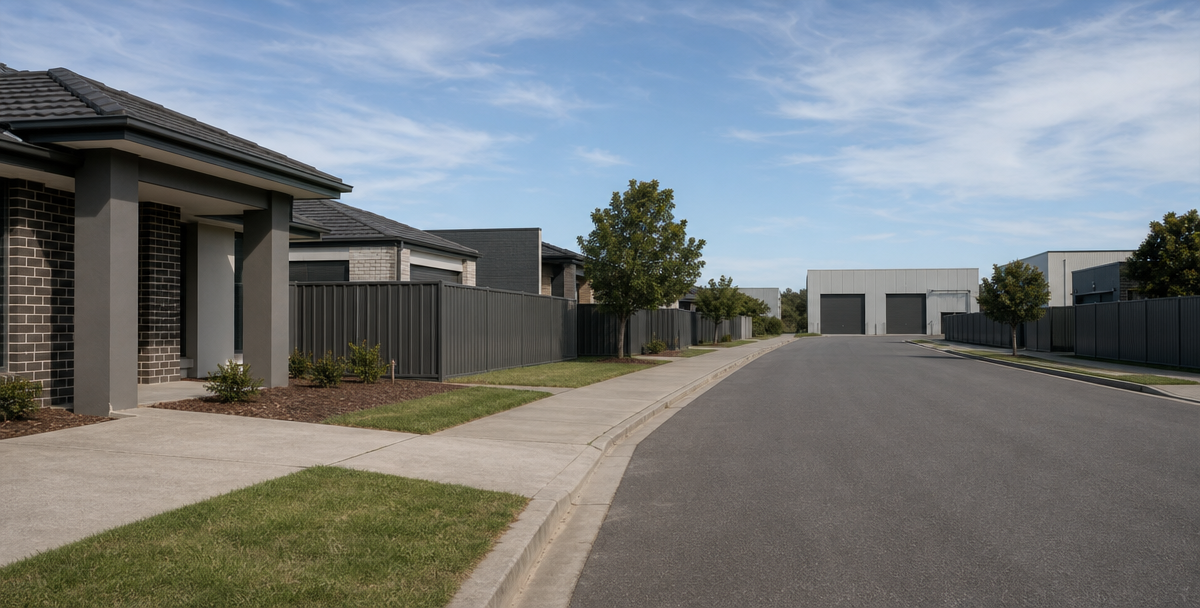
Market research is what separates a considered purchase from a guess. Understanding market trends, property values, rental yields, and growth potential is what allows you to make informed decisions rather than reactive ones.
Before adding any property to your portfolio, work through a proper 2026 due diligence checklist for investment property buyers so your research holds up under scrutiny alongside enthusiasm.
Investing in high-growth areas is central to building a portfolio that performs. Look for regions with strong economic growth, rising population, and active infrastructure development.
Use online tools and property reports to identify high-growth suburbs and regions worth deeper research before you commit.
Once you hold a property portfolio, effective management becomes just as important as the buying decisions that built it. That means maintaining your properties, managing tenants well, and reviewing performance on a regular basis.
Set a standing schedule for portfolio reviews with your buyer's agent and property team so performance gets checked consistently, on a fixed rhythm rather than only when something goes wrong.
As your properties grow in value, the equity they build becomes one of the most powerful tools for expanding your portfolio without drawing on your own savings.
For a deeper walkthrough of this mechanic, see our guide on how to use equity to grow your property portfolio, and speak with your mortgage broker about how much equity you can realistically access.
Building a property portfolio is a long-term commitment that rewards careful planning and a willingness to adapt as market and economic conditions shift.
Review and update your investment plan regularly so it keeps pace with how both the market and your circumstances change over time.

The right number varies by investor. What matters more than the count is how well the properties work together, whether they are diversified across location and type, and whether your borrowing capacity and cash flow can support the portfolio as it grows.
Start with clear financial goals and an honest understanding of your borrowing capacity. From there, choose a strategy that fits your risk tolerance, and build your first purchase around long-term growth rather than short-term appeal.
Diversify across locations and property types rather than concentrating your holdings in a single suburb or asset class. Spreading investments across different markets and market cycles helps protect the portfolio when one area slows down.
Building a strong property portfolio takes time, patience, and a strategy you are willing to stick to. Setting clear goals, diversifying deliberately, managing your investments closely, and staying informed as conditions change are what turn a handful of properties into a portfolio that genuinely builds wealth.
Every step in this guide compounds on the one before it. Get your financial goals and borrowing capacity right early, and each property you add afterward becomes easier to finance, easier to manage, and more likely to move you toward the outcome you set out to achieve.

TWO WAYS IN

A 90-minute session with a senior advisor. A written diagnostic within 48 hours. You'll walk away knowing exactly where you stand today, where you're heading, and the moves required to bridge the gap.
Book The Clarity Brief™$990 · 90 minutes · diagnostic in 48hrs

A 5 minute diagnostic that reveals your archetype, your strengths and blind spots, and the wealth engine pattern most likely to work for you.
Discover your archetypeFree · 5 minutes · instant results
