Property investment can build long-term wealth, but the path looks different depending on the property type you choose. Residential and commercial property differ in financing, tax treatment, lease structure, and risk, and understanding those differences upfront makes it much easier to pick a strategy that fits your goals.
This guide walks through what sets residential and commercial property apart, so you can weigh the two against your own risk tolerance, financial capacity, and long-term plans.
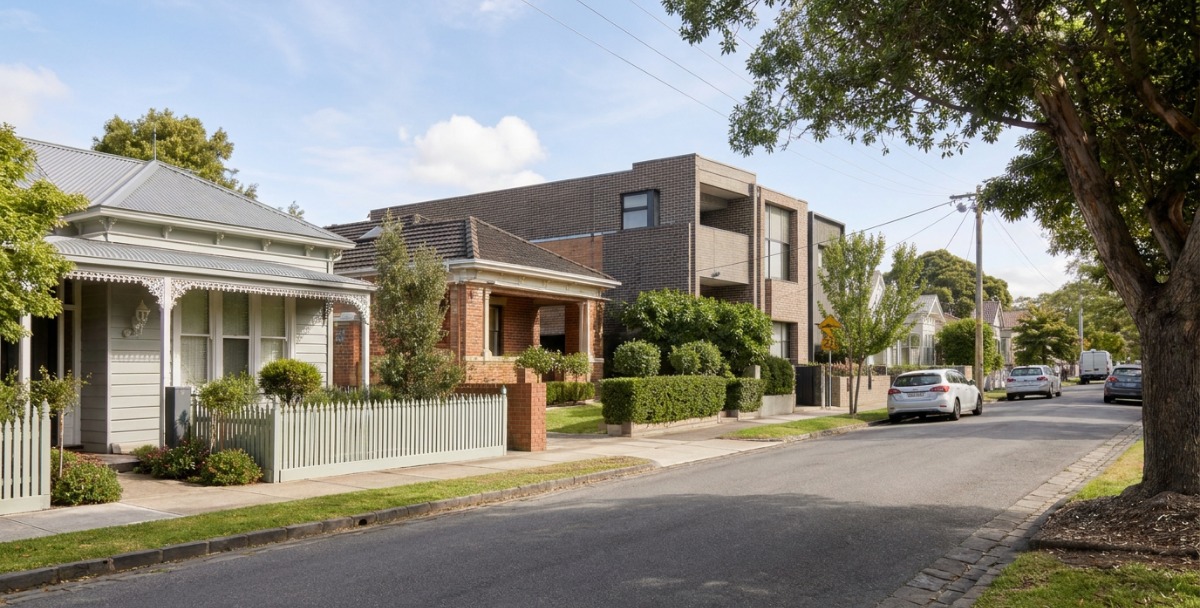
Residential property investment means buying a home, unit, or townhouse to rent out to individuals or families. Demand tends to stay relatively steady, particularly in established, well-populated areas, since housing remains a necessity even when economic conditions soften. That steadiness is part of why residential property is generally viewed as lower risk than commercial.
Financing is typically more accessible too. Lenders often ask for a smaller deposit on a residential property, commonly in the region of 10 to 20 percent, and residential loans tend to carry lower interest rates than commercial loans. If you're negatively geared, meaning your rental income doesn't fully cover your loan repayments and running costs, the shortfall may be deductible against your other income, which is a common strategy among Australian residential investors. It's worth discussing your specific position with an accountant, since eligibility and benefit depend on your broader financial situation.

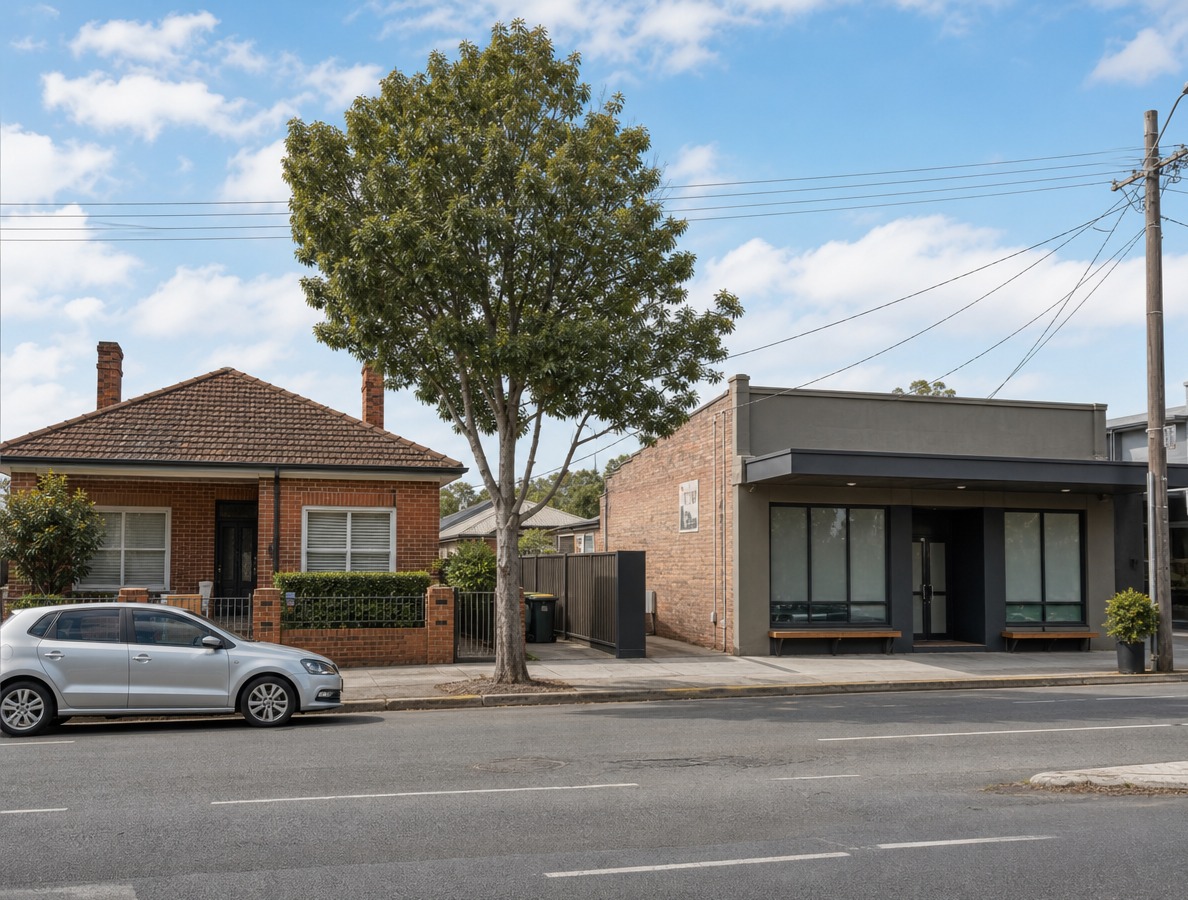
Commercial property investment covers buildings used for business purposes, including office space, retail premises, warehouses, and industrial sites. The potential upside is real: commercial properties often generate higher rental yields than residential, and leases are typically longer, sometimes running three to ten years or more, which can provide a more predictable income stream once a tenant is in place.
That stability comes with tradeoffs. Commercial loans usually require a larger deposit, often 30 percent or more, and typically carry higher interest rates and shorter loan terms than residential lending. GST generally applies to commercial property purchases and rent in a way it doesn't for residential, which affects both your upfront cost and your ongoing accounting. Many commercial leases are structured as net leases, where the tenant covers some or all of outgoings like council rates, insurance, and maintenance, which shifts some running costs away from the landlord, though the specific split depends on the lease terms you negotiate. Vacancy risk is also a bigger factor, since a commercial property between tenants can sit empty for longer than a residential rental typically would.
Stamp duty and land tax also apply differently depending on the property type and the state you're buying in, so it's worth checking current thresholds and rates with your state revenue office or accountant before you commit either way. If you're investing through a self-managed super fund, commercial property is a common choice because SMSF rules allow a related business to lease the property back from the fund under specific arm's-length conditions, which isn't available for most residential SMSF purchases. This is a complex area, so specialist SMSF and tax advice is essential before going down this path.
Residential and commercial property investment both offer legitimate paths to building wealth, but they suit different circumstances. Residential tends to fit investors who want steadier demand, easier financing, and a lower entry point. Commercial tends to fit investors who have a larger deposit available, want longer lease certainty, and are comfortable navigating GST, net lease structures, and a different risk profile.
The right choice depends on your risk tolerance, your financial capacity, and what you're trying to achieve over the next five to ten years. That's exactly the kind of decision The Clarity Brief is built for, bringing your options back to fit and sequence before you commit to either path.

TWO WAYS IN

A 90-minute session with a senior advisor. A written diagnostic within 48 hours. You'll walk away knowing exactly where you stand today, where you're heading, and the moves required to bridge the gap.
Book The Clarity Brief™$990 · 90 minutes · diagnostic in 48hrs

A 5 minute diagnostic that reveals your archetype, your strengths and blind spots, and the wealth engine pattern most likely to work for you.
Discover your archetypeFree · 5 minutes · instant results
