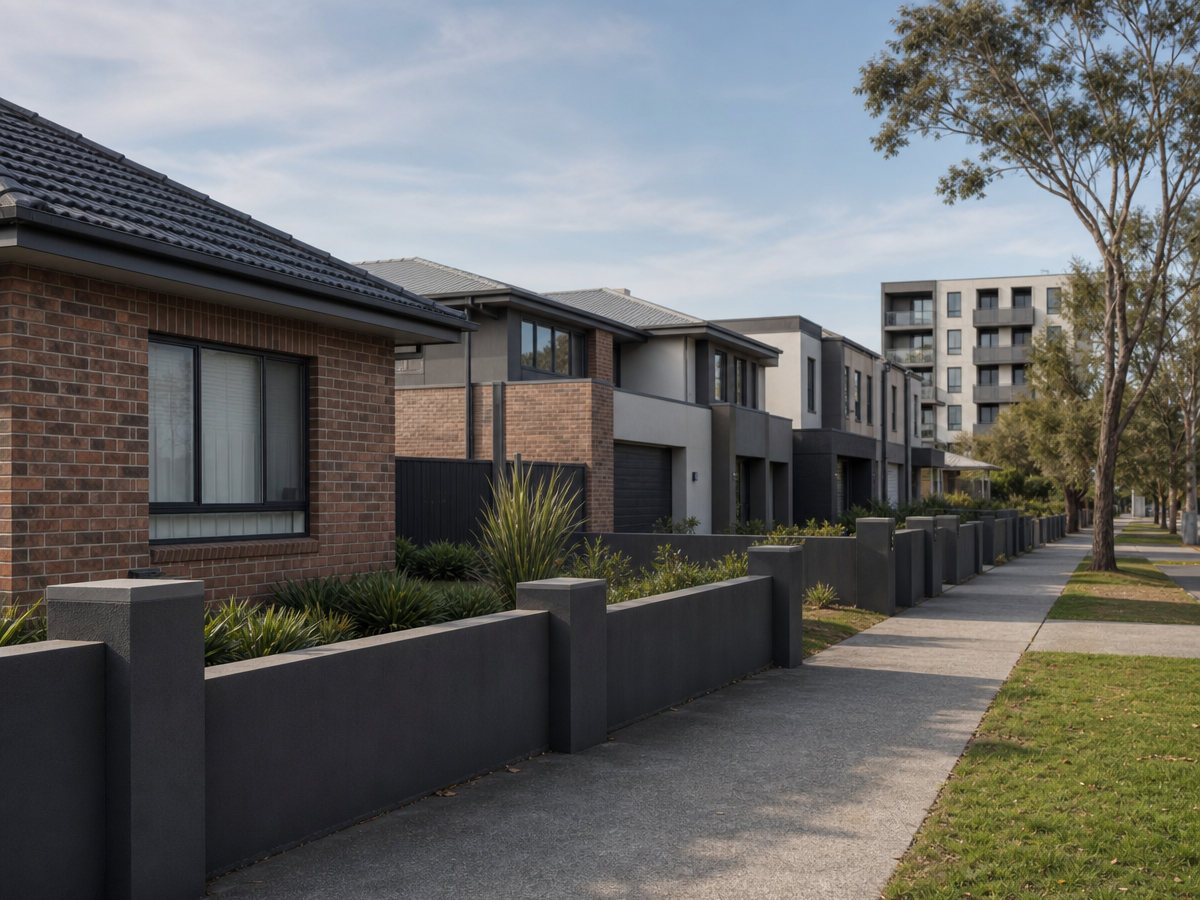
In the world of property investing, the right choice of property type can unlock genuine, lasting growth, and choosing it with intention is what turns opportunity into a real result.
Choosing the right property type is one of the most consequential decisions you will make as a real estate investor. The type of property you invest in shapes your rental income, your capital growth trajectory, your ongoing maintenance costs and the kind of tenant demand you can expect for years to come. This guide walks through the property types available in the Australian market and helps you work out which one lines up with your investment goals.
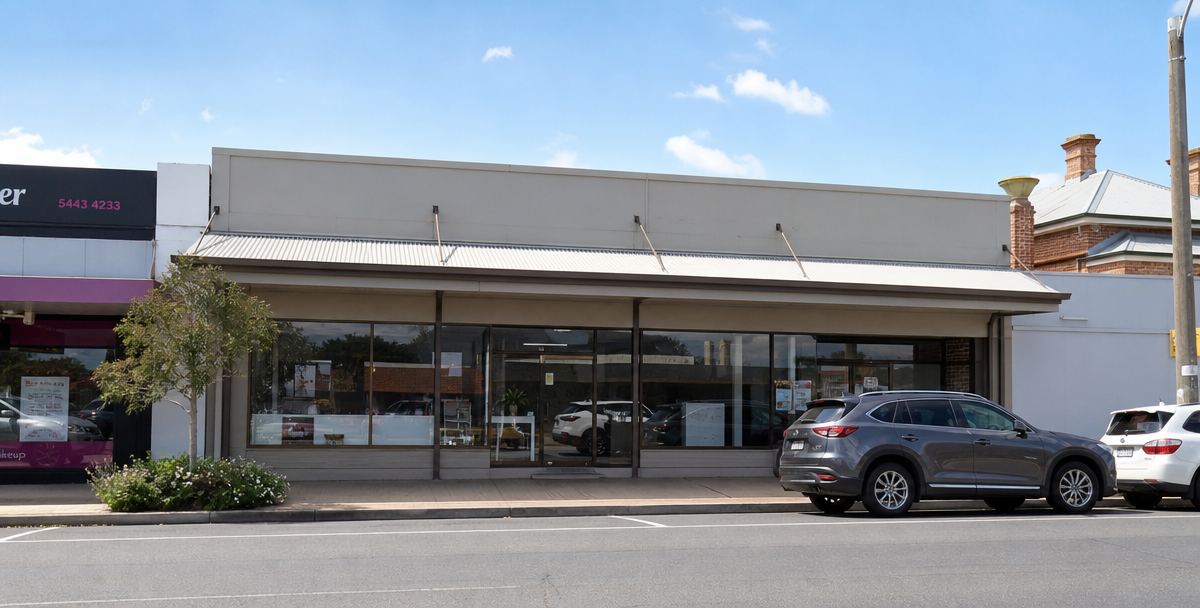
Different property types come with genuinely different risk and reward profiles, and understanding these differences up front saves you from discovering them the hard way after settlement.
Matching a property type to your strategy starts with an honest look at your own numbers and the property strategy you have already mapped out with your buyers agent, so each addition to your portfolio serves the plan rather than reacting to whatever happens to be trending.
Your investment goals should shape your choice of property type, well before the property type shapes your goals.
Defining your primary portfolio goal clearly, before you start inspecting properties, keeps your search focused on the property type that actually serves that goal instead of whichever listing looks most appealing this week.
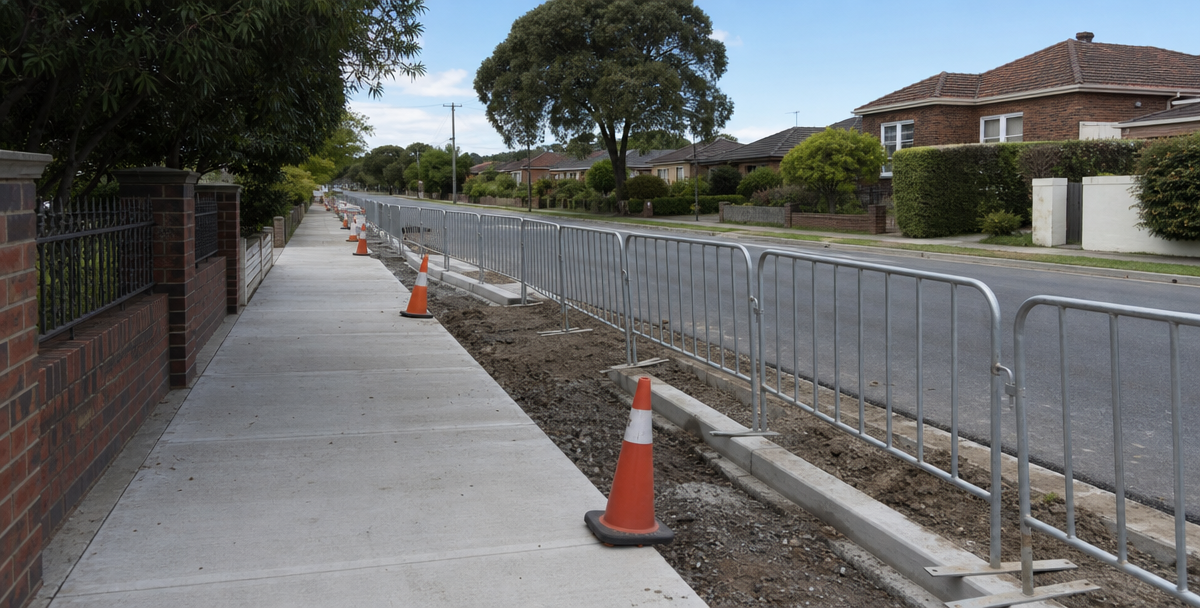
The location you choose will do just as much heavy lifting for your returns as the property type itself.
Running your shortlist through tools like CoreLogic and SQM Research, and testing each contender against a resource such as Best Investment Suburbs in NSW for 2026, gives you a much sharper read on which locations genuinely support the property type you have chosen. Once a location clears that bar, working it through the 2026 due diligence checklist for investment property buyers keeps your assessment consistent every time, rather than relying on gut feel.
Every property type comes with its own maintenance and management demands, and factoring these in early prevents unwelcome surprises down the track.
Being realistic about your own capacity and willingness to manage these demands, or lining up the right team to manage them for you, is what keeps a property type working for you rather than becoming an ongoing drain on your time.
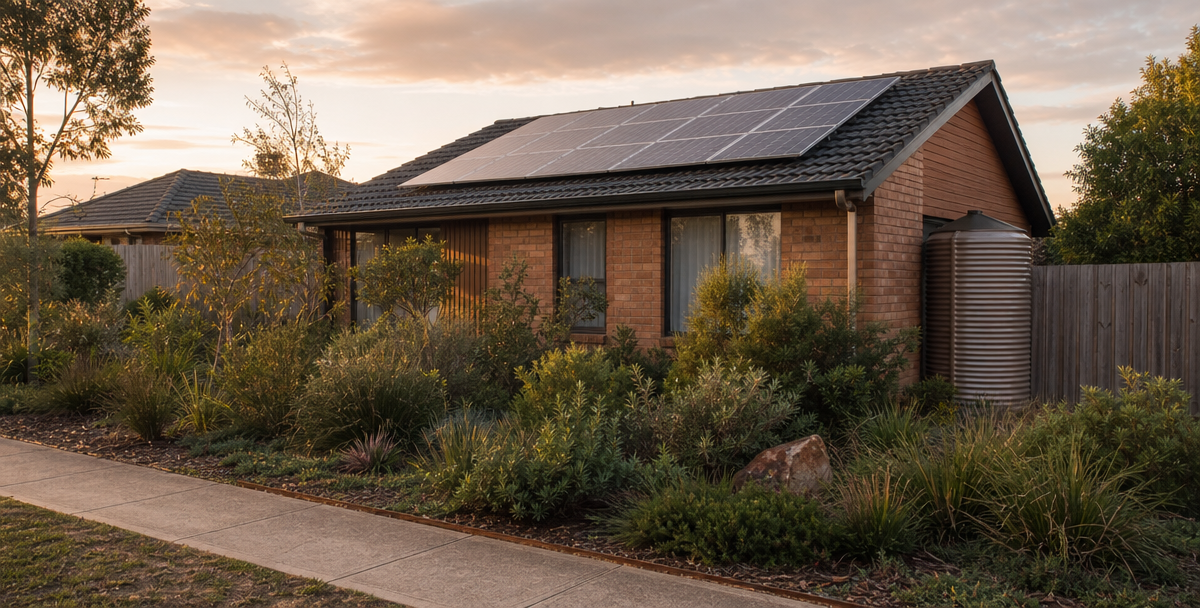
The property type that suits you today should also hold up against the trends shaping the market over the next decade.
Staying across these shifts yourself, or making sure your buyers agent keeps you briefed on them, means your property type selection keeps working for you well beyond the day you settle.
Houses in well-located, land-scarce suburbs have historically delivered stronger capital growth than apartments or units, largely because land tends to appreciate more than the building sitting on it. Growth still varies significantly by location, so the surrounding suburb often matters more than the property type alone.
Apartments and units can work well for investors prioritising affordability, lower maintenance and steady rental yield, particularly in inner-city or lifestyle locations with strong tenant demand. They typically suit a different strategy to houses, built more around cash flow and accessibility than maximum capital growth.
Most experienced investors build portfolios that include both, using higher-yield properties to support cash flow and stronger-growth properties to build long-term equity. Your own mix should reflect your income needs, borrowing capacity and how many years you plan to hold before drawing on the portfolio.
Choosing the right property type is one of the clearest levers you have for maximising your investment returns. Understanding the pros and cons of each property type, assessing your own goals, analysing your target location and market conditions, and factoring in future trends all combine to put you in a genuinely well-informed position.
If you are weighing up which property type is right for your next move, working through a clear plan for how to use equity to grow your property portfolio helps you see exactly how that decision fits into your broader wealth-building trajectory.

TWO WAYS IN

A 90-minute session with a senior advisor. A written diagnostic within 48 hours. You'll walk away knowing exactly where you stand today, where you're heading, and the moves required to bridge the gap.
Book The Clarity Brief™$990 · 90 minutes · diagnostic in 48hrs

A 5 minute diagnostic that reveals your archetype, your strengths and blind spots, and the wealth engine pattern most likely to work for you.
Discover your archetypeFree · 5 minutes · instant results
