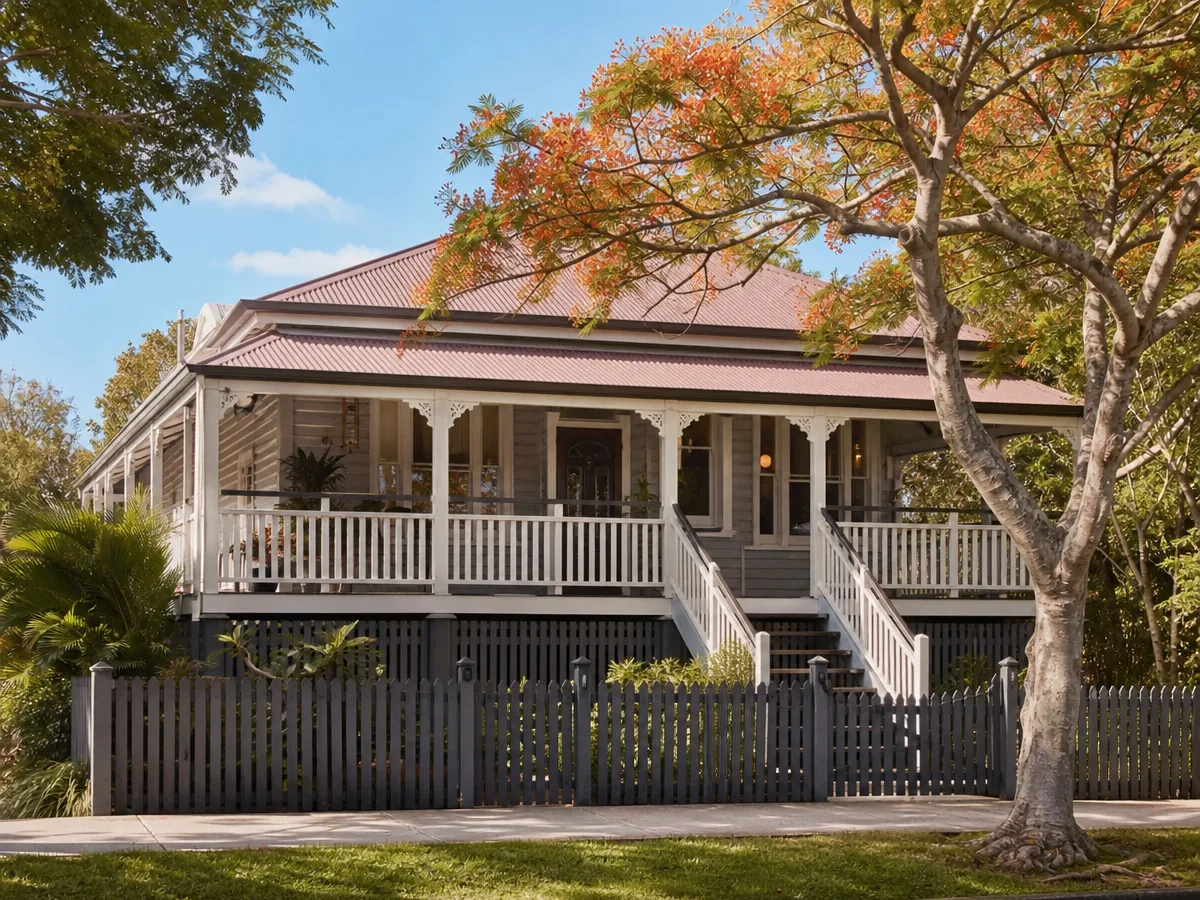
A city can perform well for years and still hold plenty of traps for the next buyer who moves in without doing the work.
Many investors see Brisbane's strong past growth, the headlines about interstate migration, and rising rents, and assume every Brisbane property is a good investment in 2026. That assumption can be an expensive one.
Many investors ask, "Is Brisbane still a good place to invest?" The sharper question to ask is, "Which parts of Brisbane still offer strong opportunity?"
Cities grow unevenly, with some suburbs outperforming for years while others stay flat, and buying based on the city name alone is one of the fastest ways to overpay.
Brisbane property investment in 2026 should be assessed through three filters.
You are buying one street, one suburb and one long-term outcome. That is where the real decision sits.
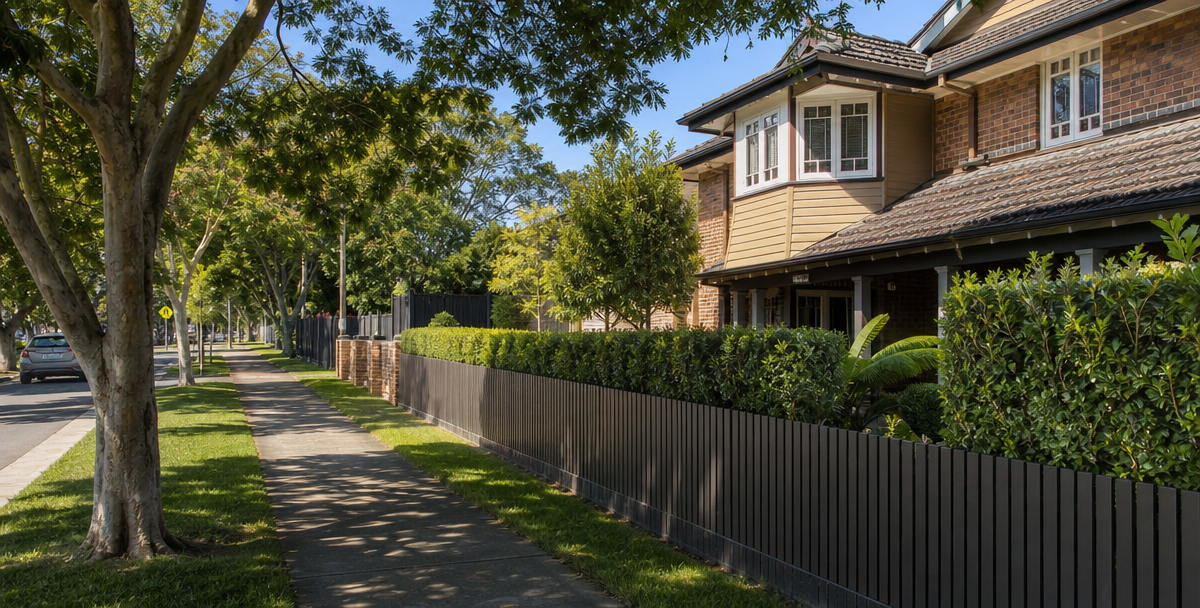
Strong investment areas attract both renters and buyers. Owner-occupiers are the group that drives long-term capital growth, so the suburbs worth watching are the ones building genuine owner-occupier appeal alongside investor demand.
According to the Australian Bureau of Statistics, interstate migration into Queensland has remained a major driver of housing demand, and that flow of new residents keeps underpinning demand for well-located Brisbane property.
Some areas look attractive because they offer high rental yield, while sitting surrounded by oversupply. Too much supply limits both rental growth and price growth, so a property can carry strong rent today and weak performance tomorrow once supply keeps increasing.
Running any shortlist through the 2026 due diligence checklist for investment property buyers is a practical way to test each suburb against these supply signals before you commit.
The best opportunities often come from affordability migration, where buyers priced out of premium suburbs push demand outward and growth follows.
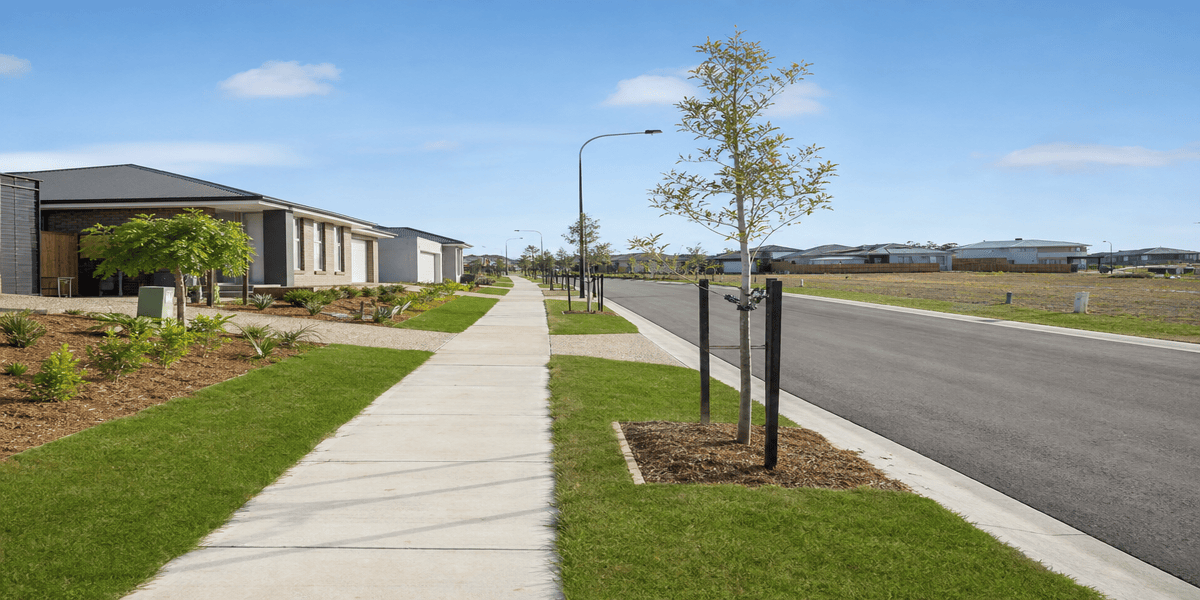
These are areas worth a closer look for investors ready to dig into the detail.
These suburbs combine strong owner-occupier demand, established school zones and limited supply.
Infrastructure upgrades, affordability pressure and improving transport links are driving interest here.
Relative affordability paired with strong commuter demand keeps these markets in view.
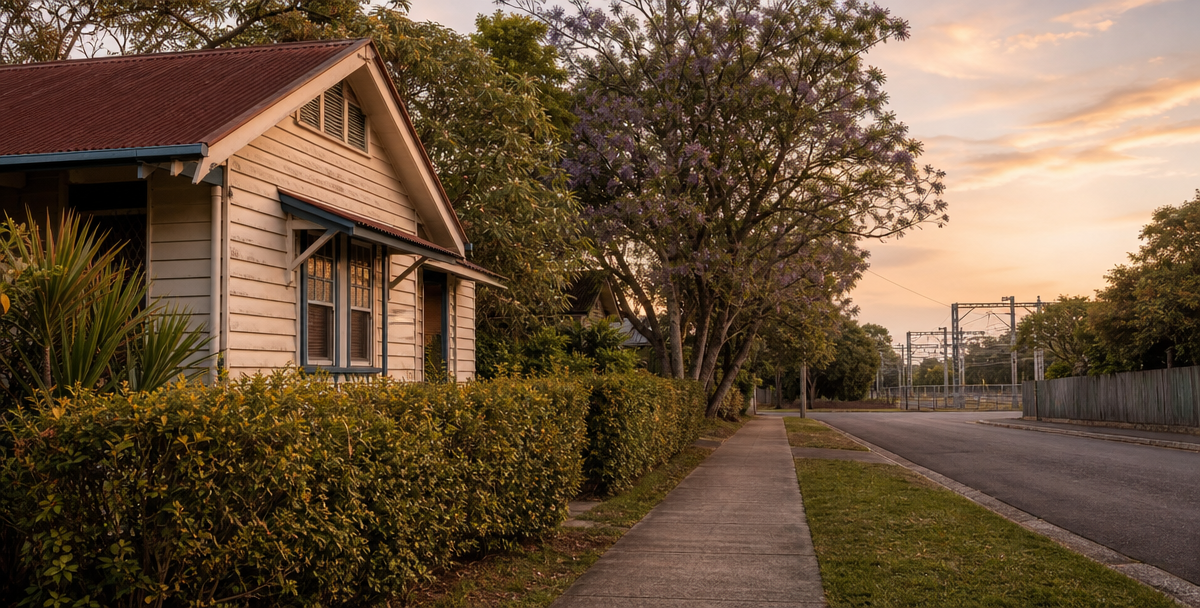
Yes, particularly in suburbs with genuine owner-occupier demand and constrained supply. The city still has strong demand drivers, but suburb selection matters more than ever, so focus on supply constraints, owner-occupier demand and affordability pressure rather than the city name alone.
It depends on your strategy. Sydney often offers stronger long-term blue-chip growth, while Brisbane can offer better affordability and stronger cash flow opportunities. Your entry point and investment goals determine the better choice for you.
Established boutique stock in strong owner-occupier locations tends to perform well, while high-density apartment areas facing oversupply risk are the ones to approach with more caution.
Brisbane can still be a strong investment market in 2026 for investors who look past the city name and into specific suburbs. The real advantage comes from understanding where demand is building, where supply stays constrained, and where long-term buyers will keep competing for the same stock.
That is how you position for tomorrow's results. Once you have identified a Brisbane suburb that fits your strategy, working through how to use equity to grow your property portfolio helps you see how that purchase fits into your broader wealth-building plan.

TWO WAYS IN

A 90-minute session with a senior advisor. A written diagnostic within 48 hours. You'll walk away knowing exactly where you stand today, where you're heading, and the moves required to bridge the gap.
Book The Clarity Brief™$990 · 90 minutes · diagnostic in 48hrs

A 5 minute diagnostic that reveals your archetype, your strengths and blind spots, and the wealth engine pattern most likely to work for you.
Discover your archetypeFree · 5 minutes · instant results
