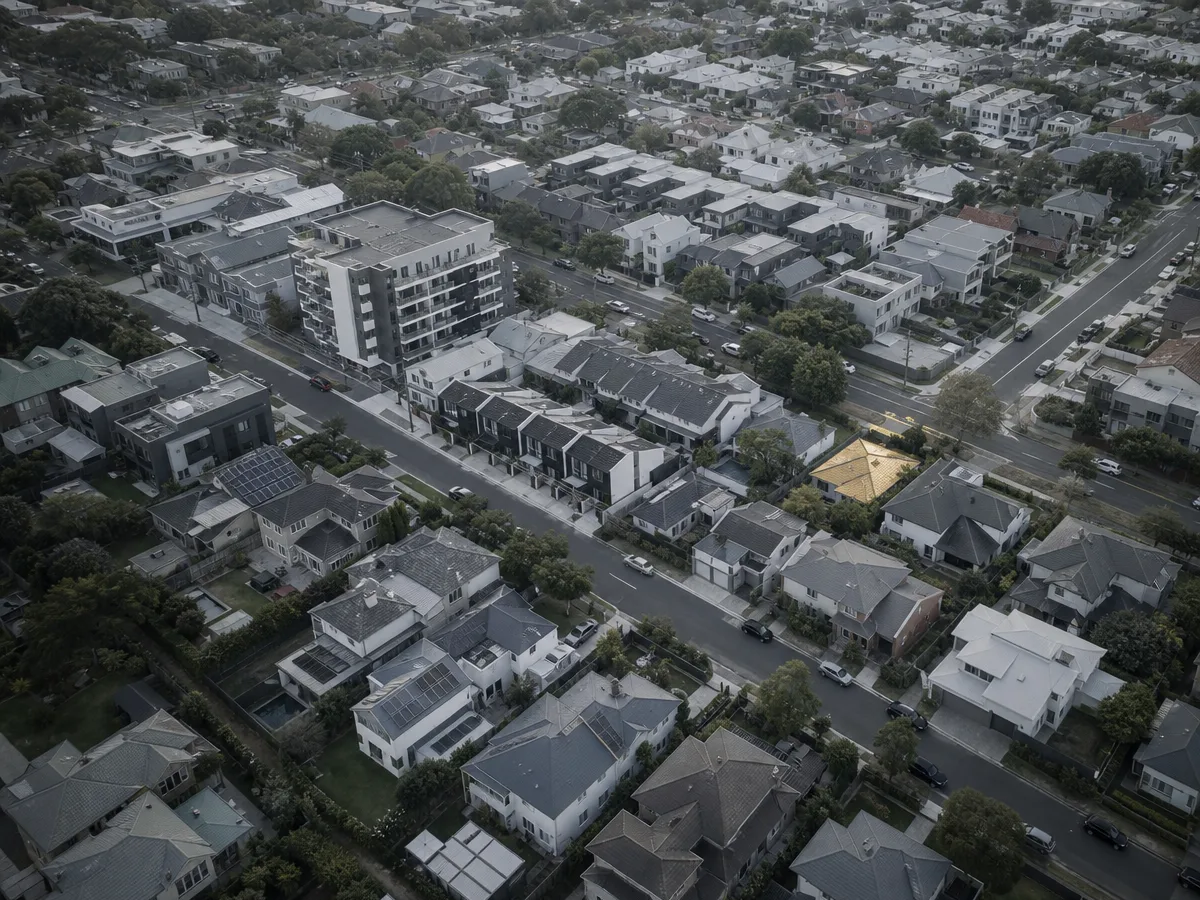
A good property becomes the right property when it has a clear job inside a considered plan.
Choosing an investment property in Australia begins well before a shortlist of suburbs or an inspection schedule. The first task is to define what the next property needs to do for your wider position. That means clarifying the destination, ownership approach, borrowing capacity and risk settings before the search begins.
A buy-box turns that work into acquisition criteria. It sets the boundaries for the next purchase, including price, asset type, location, tenant appeal, cash-flow expectations, growth drivers and deal-breakers. It gives you a standard against which every property can be assessed.
Without that standard, the search can be driven by headlines, an agent’s urgency or whichever listing happens to look attractive that week. A buy-box creates discipline. It helps you decide what belongs in the portfolio before the market asks you to decide under pressure.
Every investment property should have a defined role. It may be intended to support long-term capital growth, strengthen income, diversify an existing portfolio, use available equity, or position a future acquisition. The role will influence the asset, location, price range and financing approach.
The right answer will vary from investor to investor. A business owner building a Second Wealth Engine™ may be seeking a portfolio that compounds outside the operating business. An investor close to a lifestyle transition may place more weight on income, debt reduction or liquidity. A first investor may be focused on building a foundation that keeps future options open.
The destination comes before the property. When the role is clear, the search has a purpose and each potential acquisition can be judged against it.
A buy-box needs real financial boundaries. These include the purchase budget, deposit and acquisition costs, holding-cost tolerance, likely rental income, cash reserves and the impact on future borrowing capacity. The purchase price alone does not tell you whether the deal fits.
Before buying an investment property, ASIC’s MoneySmart guidance recommends comparing expected income with outgoing expenses and considering whether you could carry the property through a period without tenants. It also recommends researching the local market, including growth prospects, rental yield, vacancy rates and planned changes that could affect property values.
Your broker should model the proposed purchase against your broader lending position. A strategic question is not only whether the loan can be approved today. It is whether the loan structure keeps the next stage of the portfolio available.
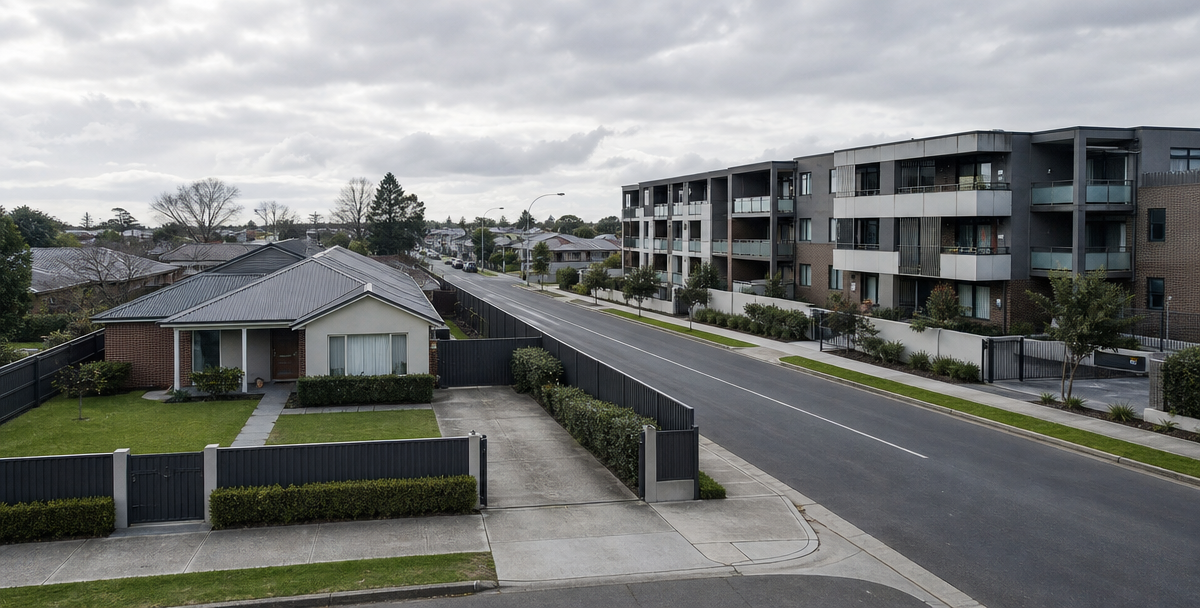
Houses, townhouses, apartments and small developments each bring different characteristics. Land component, maintenance, strata costs, tenant appeal, supply, planning risk and entry price can all vary. The appropriate asset type depends on the role the property needs to play and the conditions in the specific market.
A house may offer a larger land component and a different set of maintenance obligations. An apartment may provide a lower entry price, proximity to established amenities and strata considerations. A townhouse may sit between the two. General labels are useful only as a starting point. The property itself, the local supply pipeline and the holding costs still need to be assessed.
The buy-box should express this clearly. Instead of saying “a good investment property”, define the asset characteristics you will accept and the risks you will not. This keeps the search focused when choices become plentiful.

Location is more than a postcode. A useful location assessment considers the people who may live there, the jobs and infrastructure that support demand, the stock that may come to market and the risks that could change the area’s appeal over time.
Demand may be supported by employment access, transport, schools, health services, lifestyle amenity and household formation. Supply requires its own analysis. New apartments, rezoning, land releases or a large volume of similar stock can influence both tenant competition and resale conditions. Risk can include flood, bushfire, building quality, local employment concentration and changes to planning or infrastructure.
This does not mean every investor needs to predict the next best suburb. It means the location needs to meet a written standard. MoneySmart also advises investors to investigate planned changes in the area that may affect future property prices.
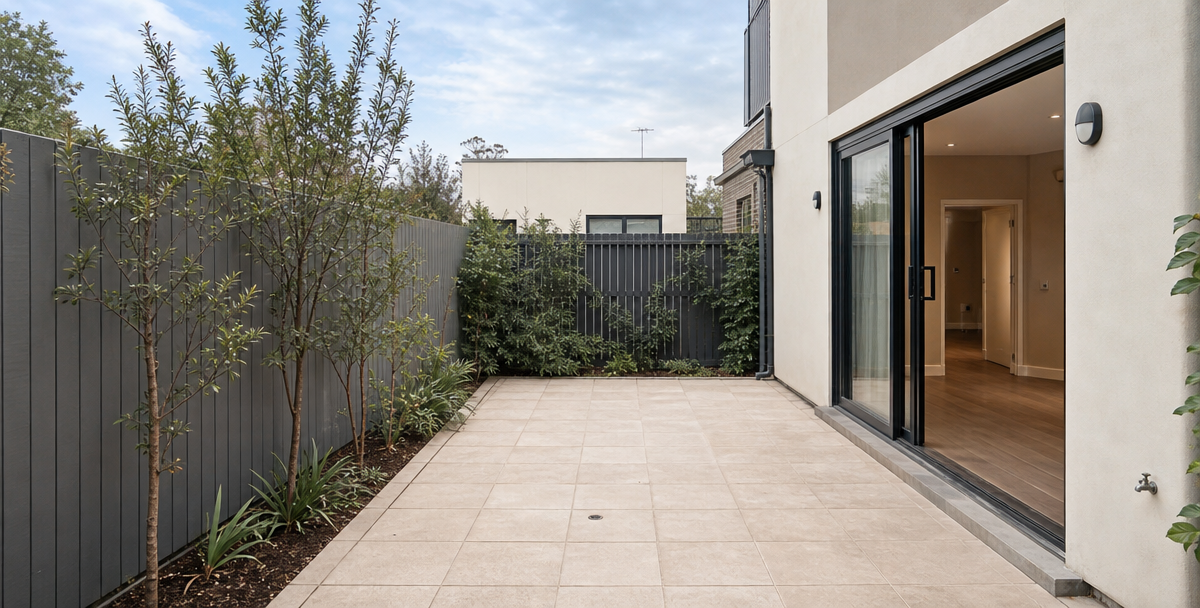
Tenant appeal matters because it affects the property’s ability to produce income between purchase and sale. Look at the daily experience of living in the property: transport, parking, bedrooms, storage, natural light, layout, outdoor space, access to services and the type of tenant the area is likely to attract.
This is where broad market research meets the asset itself. A strong suburb does not remove the need to assess a specific dwelling. Two properties on the same street can have very different rental appeal, maintenance requirements and long-term resale prospects.
The buy-box can set minimum standards for tenant appeal. For example, it may require off-street parking, a second bathroom, practical access to transport or a layout suited to the dominant household type in the area. These are criteria to be tested, rather than assumptions carried into the inspection.
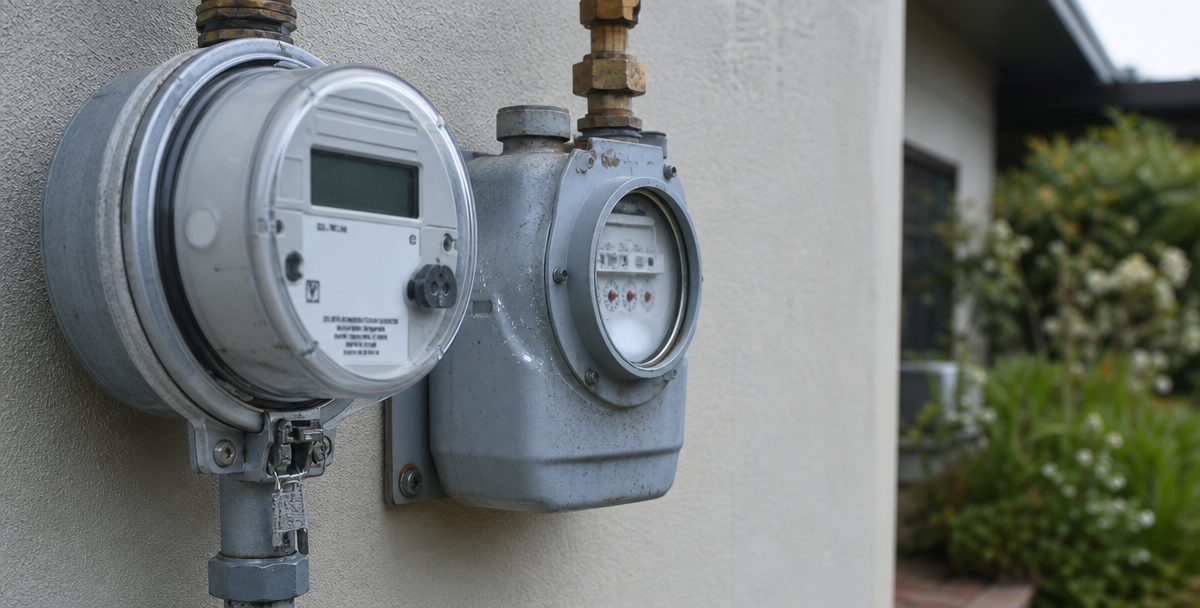
An investment property needs to work through ordinary holding periods, not only on the day it is purchased. The model should include loan repayments, rates, insurance, property management, maintenance, strata levies where relevant, land tax and a vacancy allowance. It should also allow for the costs of acquisition, including transfer duty, conveyancing, inspections and lender fees.
The aim is not to create a perfect forecast. It is to understand the cash commitment and the assumptions holding it together. If the property needs a particular rent, interest rate or growth outcome to be comfortable, the investor should know that before exchange.
For investors using equity, the funding decision should sit within a wider debt plan. XAGENT’s guide on How To Use Equity To Grow Your Property Portfolio explains why equity can create options, while still requiring discipline around risk and servicing.
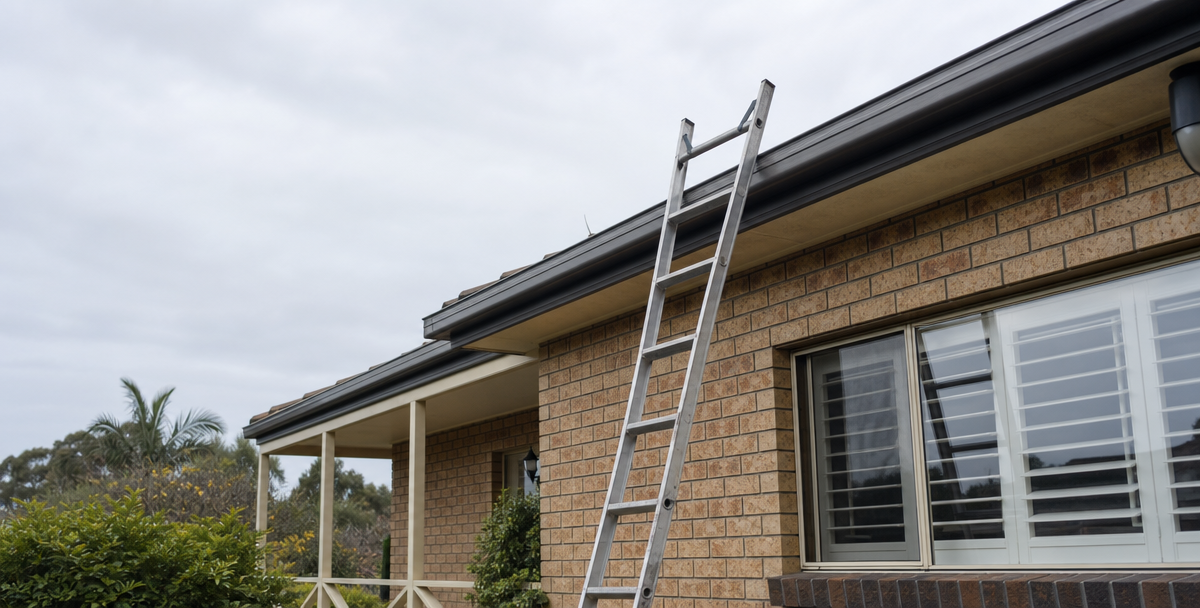
A buy-box tells you whether a property deserves closer attention. Due diligence tells you whether it should proceed. The exact work depends on the property and state, though it commonly includes comparable sales, rental assessment, building and pest inspections, contract review, title review, strata records where relevant, planning checks and hazard considerations.
The order matters. A property can appear to match the buy-box until the contract, building report, strata records or local planning position reveals a risk that changes the decision. Time pressure should not remove steps from the process.
Use XAGENT’s 2026 Due Diligence Checklist For Investment Property Buyers as a practical reference before progressing to a contract. It is designed to prompt the questions that are easy to miss once a property feels emotionally compelling.
A strong buy-box includes exclusions as well as preferences. It identifies the factors that make a property unsuitable for the plan. These might include a holding cost beyond the agreed range, an oversupplied building type, unresolved building defects, a location risk outside your tolerance, a layout with weak tenant appeal or an ownership structure that creates friction for the broader strategy.
This is where a written brief becomes useful. It allows you to rule out a property for a clear reason rather than revisiting the same debate every time a new listing appears. It also gives your broker, accountant and acquisition specialist a shared view of what the portfolio is designed to become.
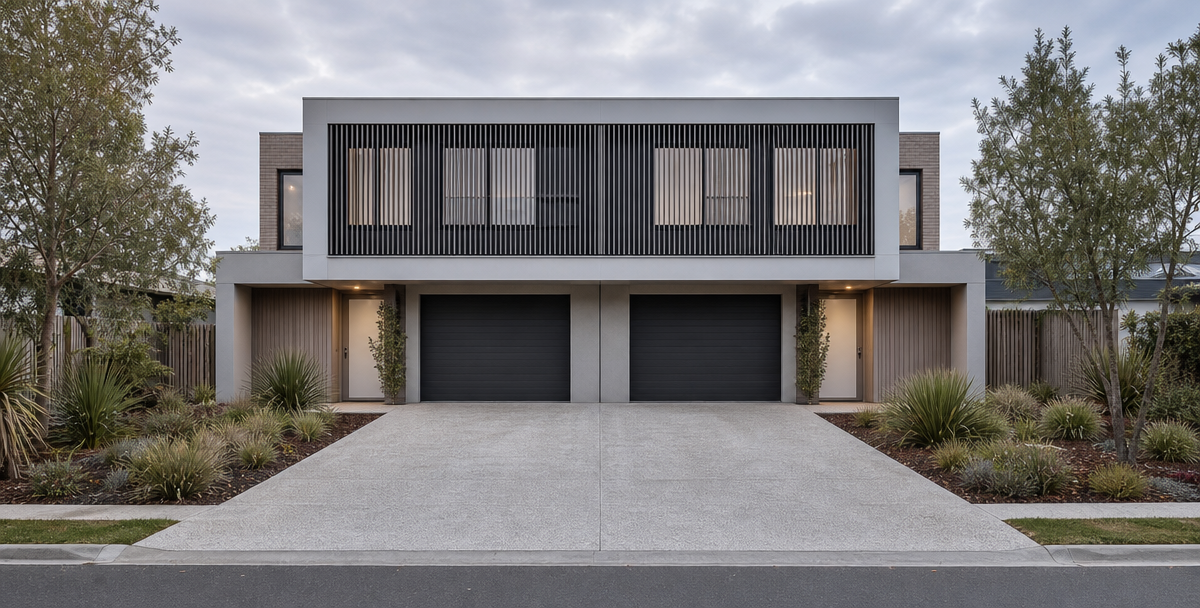
Property decisions often involve several specialists. A broker assesses finance, an accountant considers tax and ownership implications, a conveyancer or solicitor reviews the contract, and a buyer-side acquisition specialist assesses the property and negotiation. Their work becomes more effective when it is connected to the same plan.
At XAGENT, this coordination sits within the Investment Property Wealth Engine™. The strategy provides the destination and structure. The acquisition stage applies the buy-box. Execution coordinates the people and decisions around the purchase. Compounding considers how the next property supports the longer-term position.
The point is to avoid a situation where each specialist gives a sensible answer to a different question. The buy-box brings those questions back to one decision.
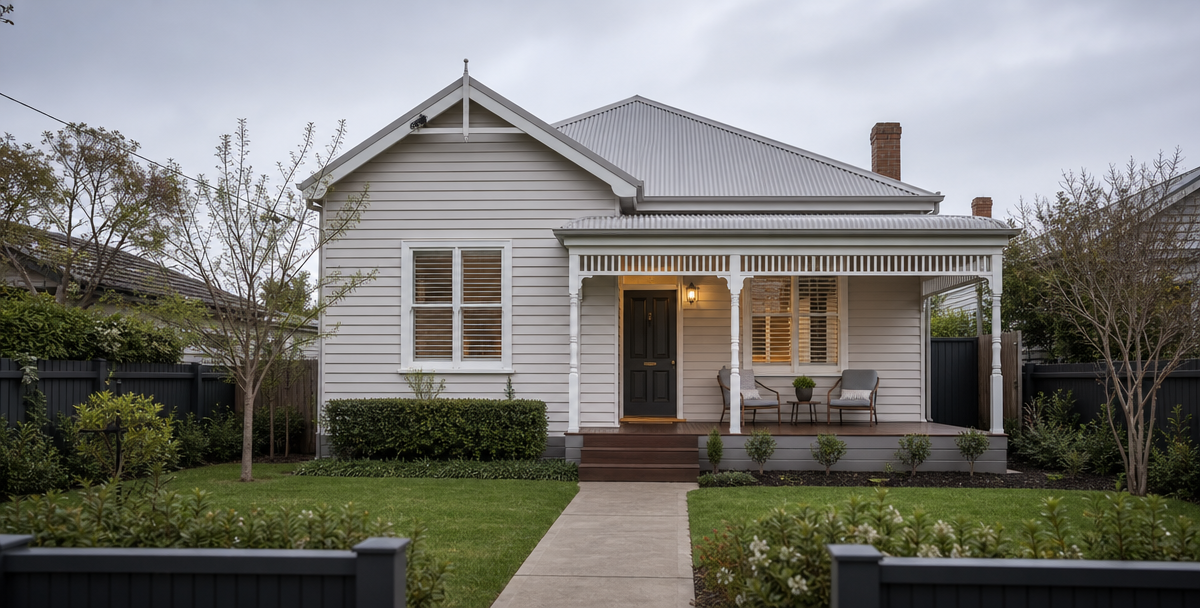
Good property selection is calm. The investor knows the job of the asset, the financial boundaries, the location criteria and the risks that require more work. A listing is assessed against a standard that existed before it appeared.
That discipline makes it easier to walk away when a property does not fit. It also makes it easier to act when the evidence does. Over time, this is how a portfolio is built with greater consistency and less noise.
Start with the role the property needs to play, then set a budget, asset criteria, location requirements, tenant-appeal standards, risk limits and holding-cost tolerance. Complete due diligence before committing to a contract.
A buy-box is a documented set of acquisition criteria for the next property. It can include price range, asset type, locations, rental requirements, growth drivers, finance conditions and clear exclusions.
Compare the asset types against your strategy, budget, tenant demand, supply conditions, maintenance requirements, strata obligations and risk tolerance. The appropriate choice depends on the job the property needs to do and the specific market being considered.
The appropriate buffer depends on income stability, debt levels, property costs, vacancy risk and personal circumstances. Model the property’s holding costs and discuss a suitable reserve with your broker, accountant and other relevant advisers.
The strongest investment decisions are usually made before the inspection. A clear buy-box creates a disciplined link between your destination and the property you are prepared to own. It lets you move through the market with evidence, rather than urgency.
If your criteria are still unclear, The Clarity Brief™ provides a structured starting point. It brings your position, destination, capacity and next decisions into one written brief before acquisition begins.
Current at September 2026. Lending, tax, land-tax, planning and ownership-structure rules change. This article is general information only and does not constitute tax, legal, financial or credit advice. Obtain advice specific to your circumstances before acting.

TWO WAYS IN

A 90-minute session with a senior advisor. A written diagnostic within 48 hours. You'll walk away knowing exactly where you stand today, where you're heading, and the moves required to bridge the gap.
Book The Clarity Brief™$990 · 90 minutes · diagnostic in 48hrs

A 5 minute diagnostic that reveals your archetype, your strengths and blind spots, and the wealth engine pattern most likely to work for you.
Discover your archetypeFree · 5 minutes · instant results
