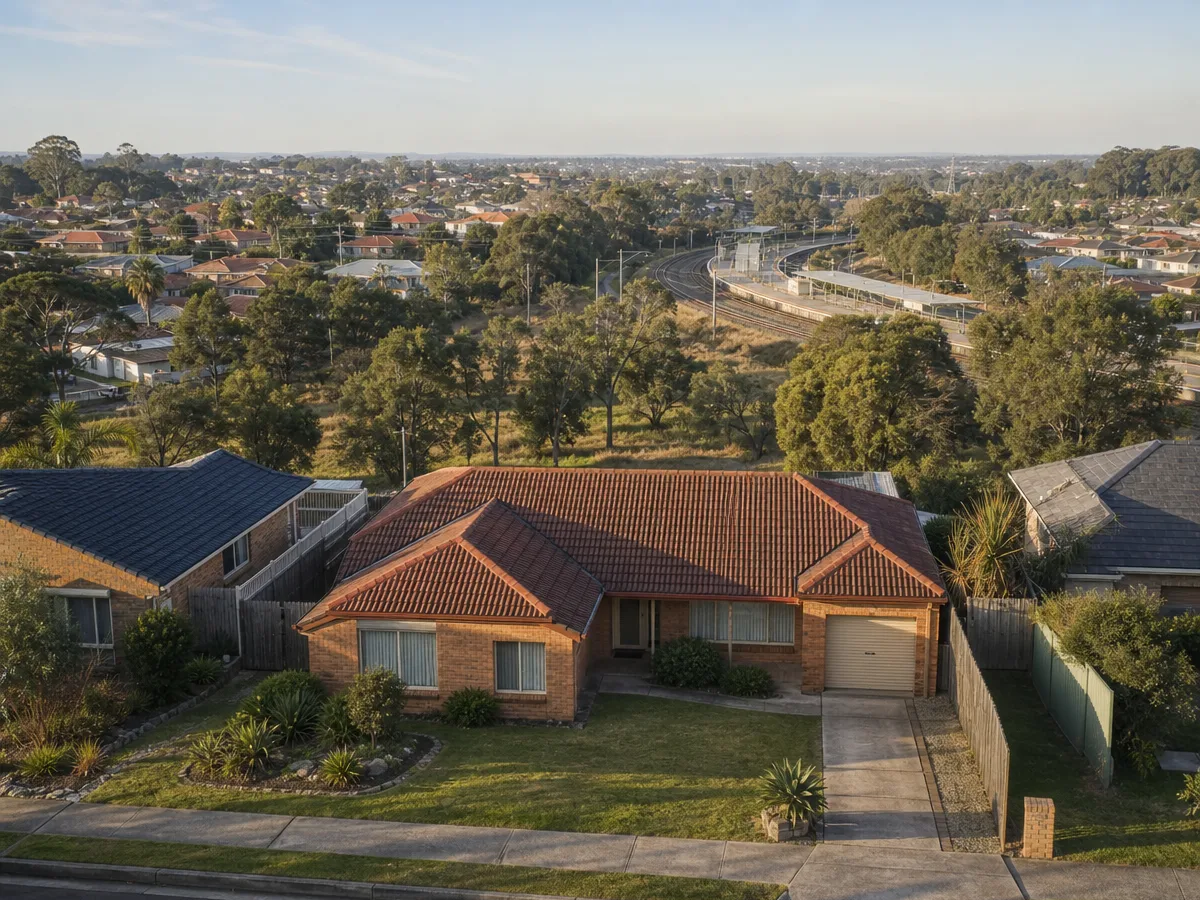
A high-yield property can still be a bad investment.
This is where most investors get caught. The numbers look good on paper, the rental return feels strong, and the deal appears safe on the surface. Years later, the property has barely grown, and the opportunity cost becomes obvious.
Looking beyond yield is what separates a deal that performs from one that simply sits still.
Most investors assess a deal on a single metric: rental yield, weighed against purchase price and weekly rent. These numbers are easy to understand, but they only capture part of the picture.
A property with strong yield and no growth can hold you in place for years. A property with slightly lower yield but strong demand drivers can significantly outperform it over time.
A strong property deal is defined by more than a single number. It's defined by how the property performs across three key areas: demand, growth potential, and the sustainability of its returns.
Buying a property really means buying into a location, a market cycle, and a future outcome.
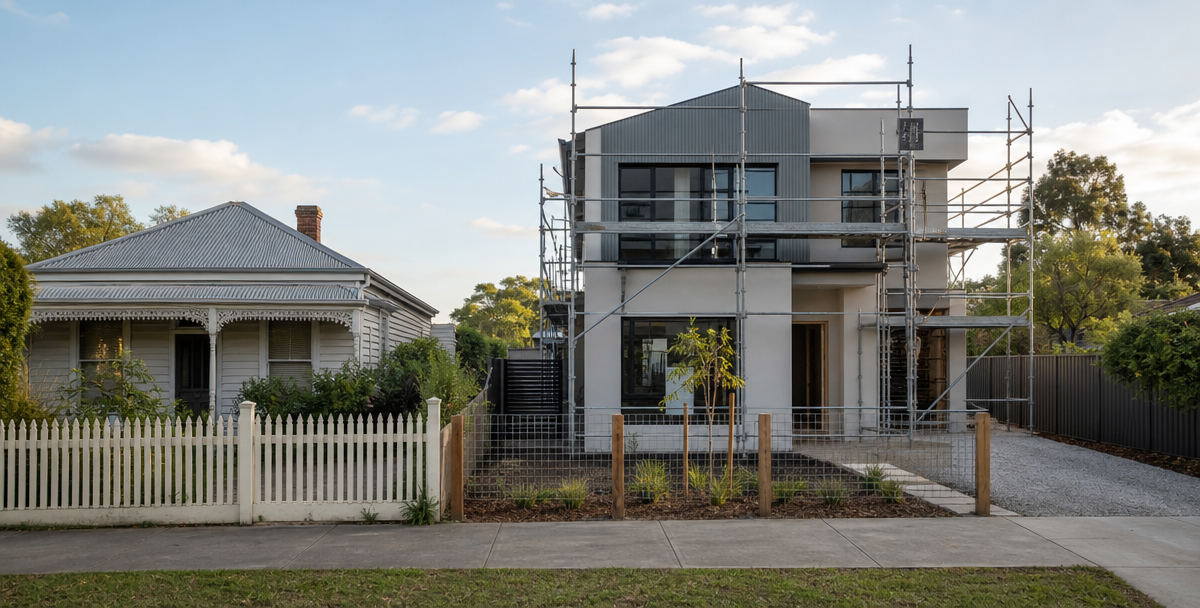
The best deals exist where demand is increasing, rather than where prices are simply low. Demand is what drives both rental income and price growth over time. Look for:
Population growth and internal migration trends are among the clearest indicators of housing demand, according to the Australian Bureau of Statistics, and areas attracting more people tend to outperform over time.
Yield should support an investment, rather than define it. Focusing on yield alone often leads investors into low-growth areas that stay flat for years. Look for:
This is exactly why understanding rental yield vs capital growth property matters before choosing a purely yield-focused suburb.
Every deal carries some risk, even the ones that look strong on paper, and strong demand can dilute quickly if supply increases too fast. Look for:
Knowing how to identify a high-growth investment property means weighing these supply risks just as carefully as the demand side.
A few figures are worth keeping in mind. Vacancy rates below 2 percent generally indicate strong rental demand, and gross rental yields in Australia typically range from 3 to 6 percent depending on location.
Capital growth has historically contributed the majority of long-term property returns. According to CoreLogic, capital growth has consistently been the primary driver of wealth creation in residential property, ahead of rental income alone.
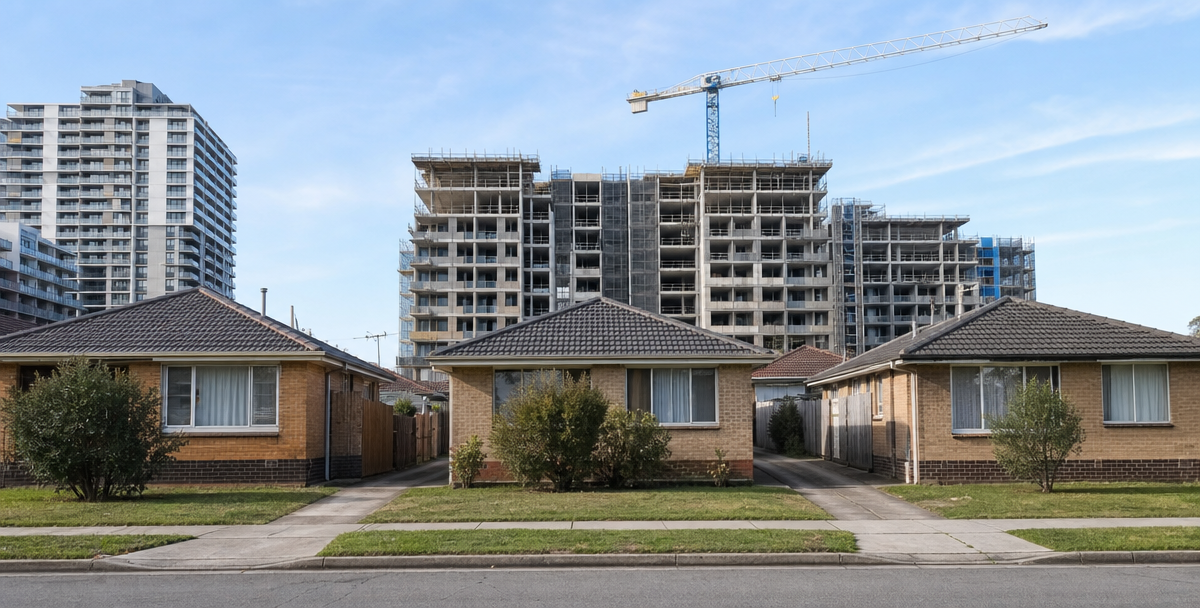
You assess a property deal by looking at demand drivers such as population and jobs, the balance between yield and growth potential, and the supply risks in the area. A strong deal performs well across all three, rather than relying on just one.
Rental yield on its own leaves out capital growth, market demand, and long-term performance. A high-yield property can still underperform if growth in the area stays weak.
A good property investment typically combines strong and growing demand, limited supply, and sustainable rental income. The strongest investments bring growth and stability together.
The way you assess a property deal shapes your long-term results. Understanding demand, growth, and risk together puts you ahead of most investors relying on yield alone.
In 2026, the deals that perform strongest over time are rarely the ones that look cheapest today.

TWO WAYS IN

A 90-minute session with a senior advisor. A written diagnostic within 48 hours. You'll walk away knowing exactly where you stand today, where you're heading, and the moves required to bridge the gap.
Book The Clarity Brief™$990 · 90 minutes · diagnostic in 48hrs

A 5 minute diagnostic that reveals your archetype, your strengths and blind spots, and the wealth engine pattern most likely to work for you.
Discover your archetypeFree · 5 minutes · instant results
