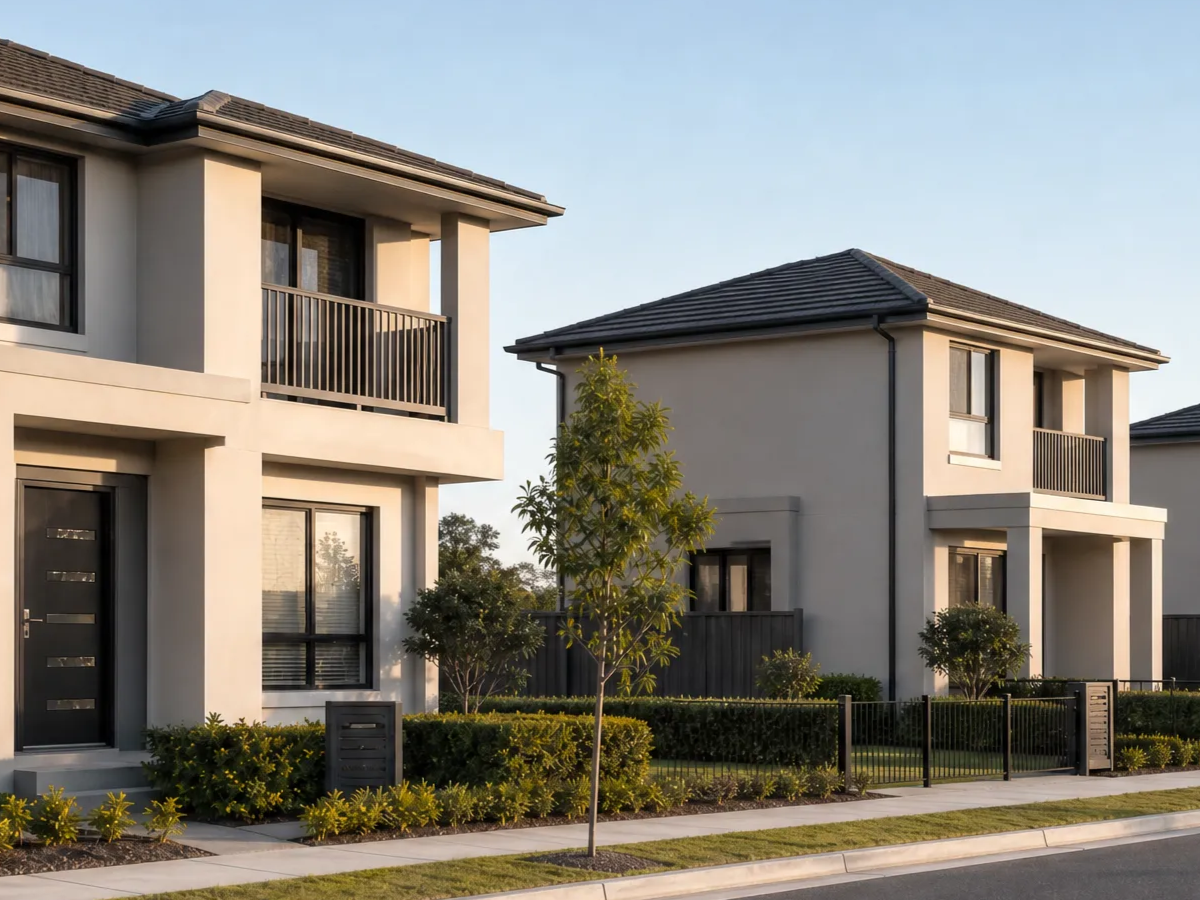
A property with strong rental yield feels like the smart choice. The rent looks healthy, the holding costs feel manageable, and positive cash flow creates confidence.
That confidence is exactly why so many investors walk straight into the yield trap, since what feels safe upfront can quietly become expensive over time.
Many investors believe higher yield simply means a better investment, though yield is often a symptom of risk rather than a strength on its own. Sometimes high yield exists because:
• The area has weak long-term demand
• Owner-occupier buyers avoid the suburb
• Oversupply keeps prices flat
• Growth prospects are limited
The higher rent is compensating for higher risk, and that is the part many investors miss.
Rent tells you what a property produces today. The more useful question asks why the yield sits as high as it does, since that shift in focus changes everything. A good investment balances:
• Sustainable demand
• Strong long-term growth potential
• Manageable holding costs
Yield matters most as one input among several, supporting the strategy rather than defining it alone.
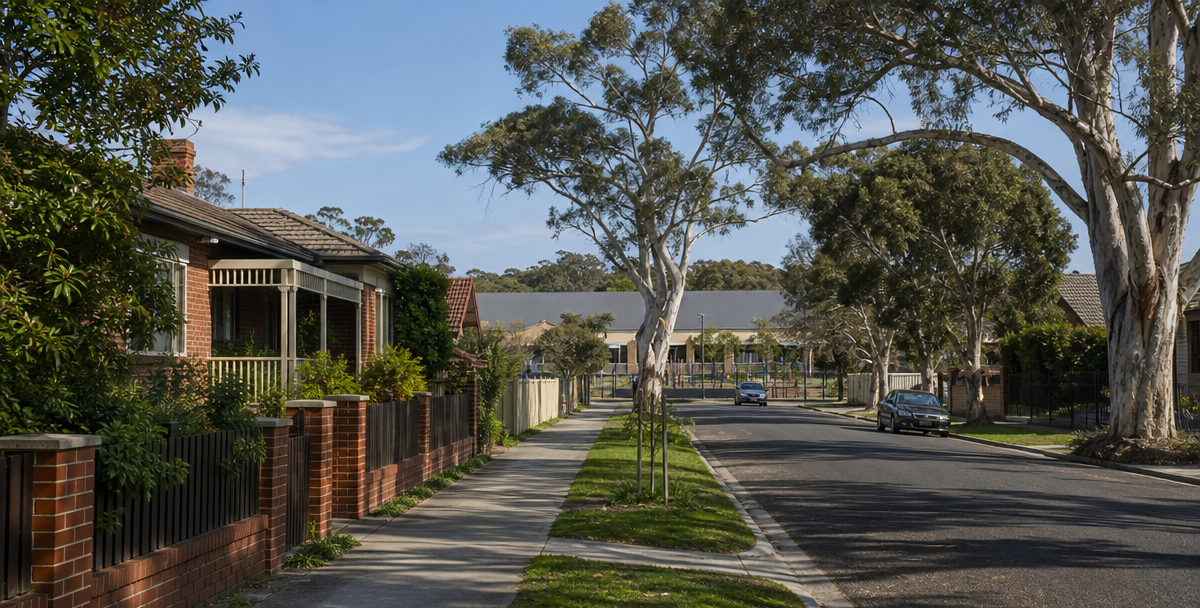
High yield is rarely random. It often shows up in:
• Regional towns with limited buyer demand
• Investor-heavy apartment markets
• Areas with weak owner-occupier appeal
When buyers show little interest in living somewhere, long-term growth often struggles, and a property can rent well while still underperforming badly.
The strongest growth usually comes from suburbs where people want to live as much as they want to invest. Worth checking:
• School zones
• Transport access
• Family appeal
• Established housing with limited supply
Owner-occupiers create competition and stronger price growth, and according to Cotality (formerly CoreLogic) research, markets with stronger owner-occupier demand tend to outperform investor-heavy locations over time.
Sometimes the biggest cost is what you miss. It often shows up as:
• Slow capital growth
• Low refinancing potential
• Weak equity creation over time
A property that produces strong rent but little growth may delay your ability to buy again, and that delay can cost far more than short-term cash flow helps.
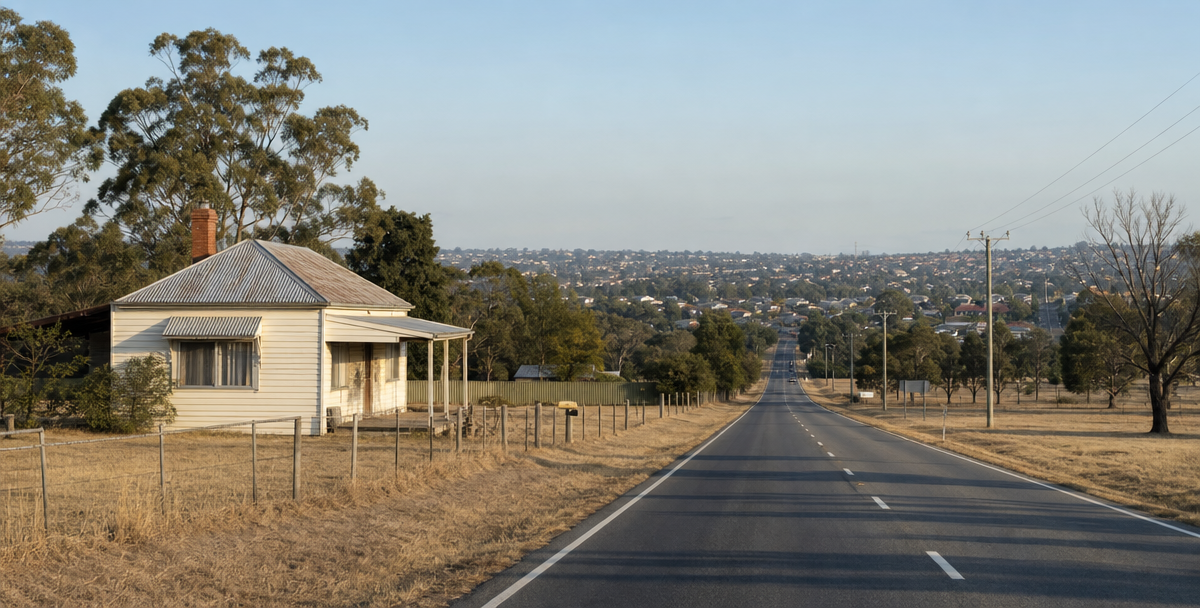
Buys a regional property with 7% yield. Result after 5 years:
• Strong cash flow
• Limited price growth
• Little usable equity
Buys a metro family suburb property with 4% yield. Result after 5 years:
• Tighter holding costs
• Stronger capital growth
• Enough equity for the next purchase
The second investor often reaches financial freedom faster, even with lower rent.
High rental yield can support serviceability, though its size alone says little about long-term investment performance, so understanding why the yield sits high matters more than the number itself.
Usually because they carry more risk, which can include weaker demand, oversupply, lower buyer competition, or slower long-term growth potential.
Beginners should weigh yield alongside growth, demand, and long-term strategy rather than relying on it in isolation, since balance matters more than a single number.
High yield can help your portfolio, but chasing it blindly can slow your progress for years.
The best investors weigh demand, growth, and opportunity cost before rent enters the decision, and that discipline is how you avoid the yield trap and build wealth that lasts.

TWO WAYS IN

A 90-minute session with a senior advisor. A written diagnostic within 48 hours. You'll walk away knowing exactly where you stand today, where you're heading, and the moves required to bridge the gap.
Book The Clarity Brief™$990 · 90 minutes · diagnostic in 48hrs

A 5 minute diagnostic that reveals your archetype, your strengths and blind spots, and the wealth engine pattern most likely to work for you.
Discover your archetypeFree · 5 minutes · instant results
