
Before buying your next investment property, set the structure, borrowing sequence, team and destination. The order is the strategy.
A property investment strategy in Australia should begin before you open a property portal, speak to an agent or compare yields. The first task is to understand the position you are building from. Your ownership structure, borrowing capacity, existing assets, tax position, specialist team and long-term destination shape every purchase that follows.
A good property can still create problems when the decisions underneath it have not been set. The order matters. Structure before acquisition.

Most people begin with a property question. Where should I buy? House or unit? What suburb has growth? How much rent will it achieve? Those are valid questions, though they become useful only once the role of the property is clear.
Start with a simpler question: what is this purchase meant to do for your life? For a business owner, it may be about redirecting surplus profit into an asset that compounds outside the business. For a professional, it may be about building income that creates more choice later. For an established investor, it may be about avoiding the stall that often arrives after property two or three.
A destination gives the next purchase a job. Without one, every property can look reasonable in isolation and the portfolio becomes a collection of decisions made at different times for different reasons. A clear destination does not require a perfect 20-year forecast. It needs enough definition to guide the next decision.
That usually means understanding:
You have the raw material. It is the structure underneath that needs setting.
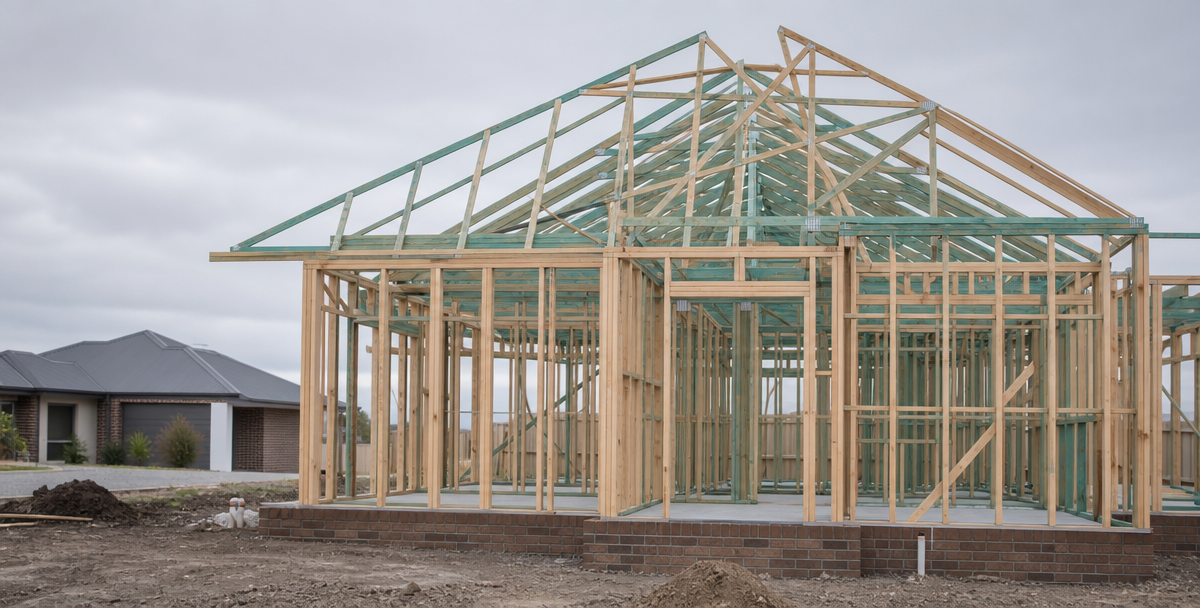
Ownership structure is one of the decisions that can be hard to unwind later. An investment property may be held in an individual name, joint names, a trust, a company or through an SMSF. Each option can affect tax treatment, land tax, borrowing, administration, asset protection and estate planning.
There is no universal best structure. An individual structure can be straightforward to administer and may suit some investors. A trust can offer flexibility in some circumstances, though it can bring different borrowing requirements, setup costs and state land-tax treatment. A company has its own tax and administrative considerations. An SMSF has a strict regulatory framework and requires specialist advice before any property decision is made.
The issue is choosing a structure that suits the whole picture. A structure that looks efficient for one purchase can work against the next three. The decision can affect lending flexibility, land-tax exposure, income distribution options and future sale outcomes.
This is where a coordinated team matters. Your accountant may understand your tax affairs. Your broker understands the lending position. A property advisor sees the acquisition sequence and the destination behind it. Each needs to be working from the same brief. If they have never met, you may be paying three people to work in the dark.
Borrowing capacity is not a fixed number you discover once. It changes with income, existing debt, household expenses, rental income, interest rates, lender policy and the way each lender assesses your position. For investors building beyond one purchase, the sequence of borrowing decisions matters as much as the amount approved today.
As at September 2026, APRA-regulated lenders generally assess serviceability with a buffer of at least 3 percentage points above the loan’s interest rate. A loan priced at 6% may therefore be assessed closer to 9% for serviceability purposes. APRA also introduced a debt-to-income limit from February 2026. Authorised deposit-taking institutions can write no more than 20% of new mortgage lending with a debt-to-income ratio of 6 times gross income or more, measured separately across investor and owner-occupier lending portfolios.
This does not prevent a higher debt-to-income borrower from obtaining finance. Lender policy, income type, asset position and loan structure still matter. It does mean borrowing capacity should be mapped before a purchase is selected, particularly where a second or third acquisition is part of the plan.
A strategic broker can model how a proposed purchase affects future servicing, which debts are helping or limiting the next move, whether refinancing improves the overall position and how much capacity needs to be protected for the intended sequence. The stronger question is whether today’s decision keeps the next stage available.
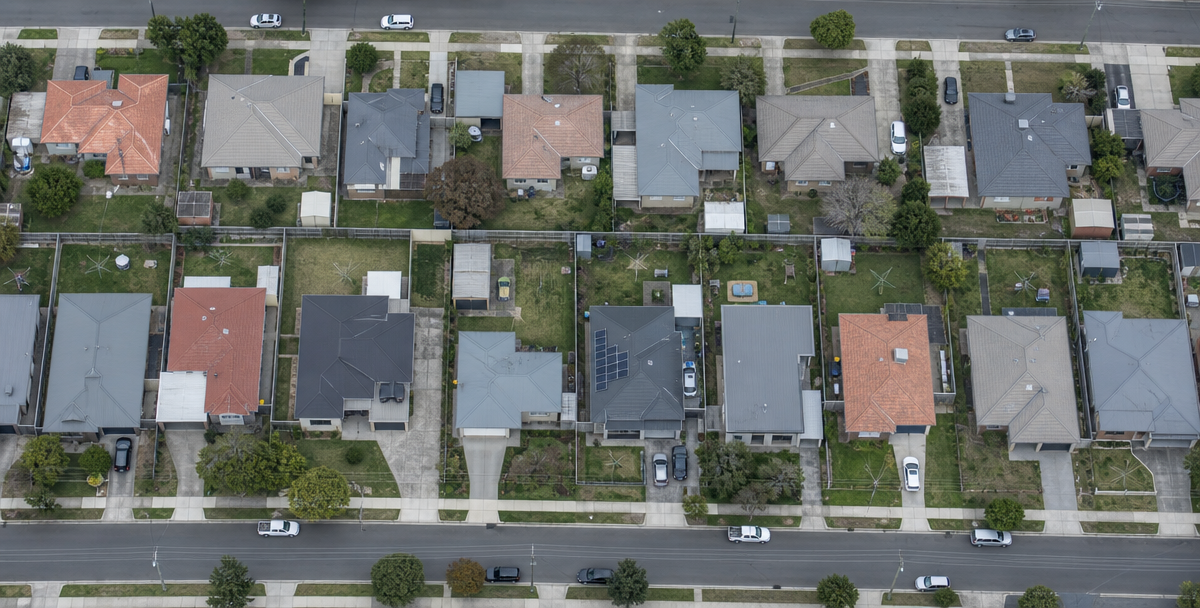
Land tax is often overlooked when investors assess a property. It usually arrives later, once the ownership structure and acquisition sequence are already set. Rules vary by state and territory, including thresholds, rates, exemptions and treatment of trusts. A property’s market value is also not necessarily the figure used for land-tax purposes.
In NSW, land tax is generally based on the combined taxable land value of properties owned at midnight on 31 December each year. For the 2026 land-tax year, the general threshold is $1.075 million and the premium threshold is $6.571 million. Revenue NSW uses its land-value framework to calculate liability, which is separate from the price paid for a property.
Those figures are a NSW example only. They are not a national rule. The broader point is that land tax should be considered across the portfolio, rather than one property at a time. A purchase may sit below a threshold today, while the next acquisition, rising land values or a different ownership arrangement changes the picture.
The cost of a purchase is more than the deposit, stamp duty and repayment. It includes how the asset fits alongside what you already own, where you intend to buy next and who owns each part of the portfolio. This is why property strategy needs to look ahead.
A property purchase can involve a broker, accountant, conveyancer, buyer-side acquisition specialist, property manager and SMSF specialist where relevant. Each has a defined job. The problem appears when nobody owns the whole picture.
One adviser may recommend a structure that creates lending friction. Another may model borrowing capacity without full context around tax or ownership. A property search can begin before the buying criteria are connected to the destination. That is where decisions become expensive.
A coordinated team works from one strategy. The ownership structure, borrowing plan, acquisition criteria and long-term objective are visible to the people making recommendations. At XAGENT, this is the role of the A-Team. The right specialists are introduced around a documented strategy, rather than engaged as disconnected opinions.
You stop carrying every decision alone.
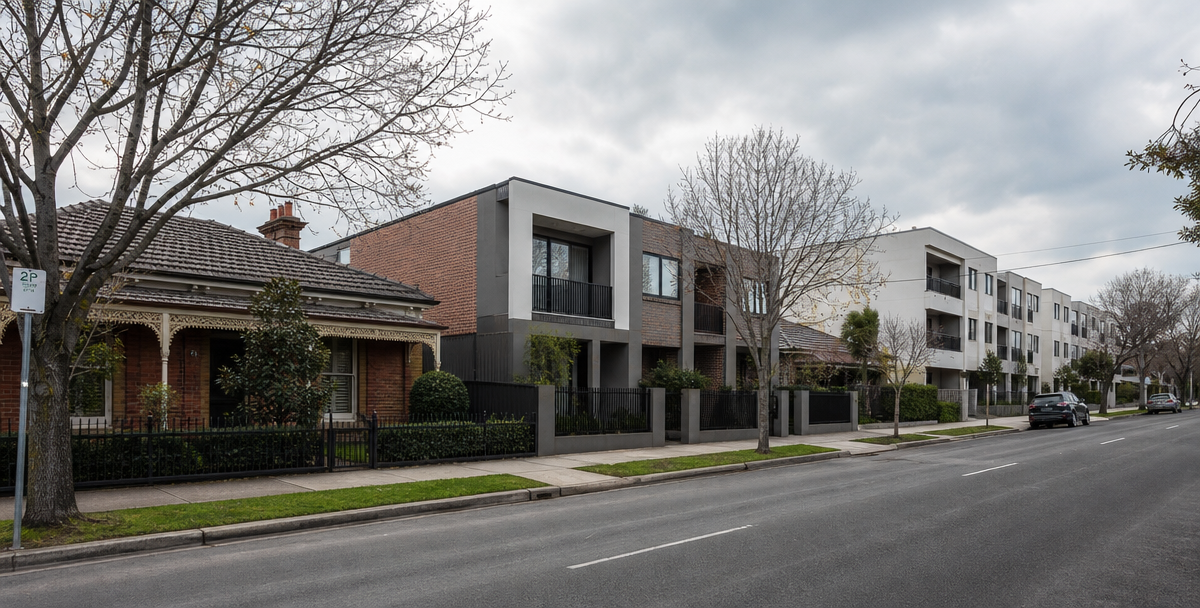
A buy-box is the acquisition criteria for the next property. It may include price range, asset type, location filters, rental requirements, growth drivers, risk limits and financing conditions. It brings discipline to the search process.
The buy-box should reflect the strategy already in place. A business owner with a strong income and limited time may need a different asset profile from an investor approaching a change in career, family commitments or debt capacity. An investor seeking growth may make different trade-offs from someone prioritising income or a specific portfolio outcome.
The right property is invisible until you know exactly what you are looking for. A disciplined buy-box gives the acquisition process a clear standard and prevents every new listing, suburb conversation or market headline from resetting the plan.
A calm, compounding portfolio is rarely dramatic. The ownership structure has been considered before contracts are signed. The broker understands the intended acquisition order. The accountant has context for the decisions ahead. Land tax has been modelled as the portfolio grows. The next property has a defined role.
There is less searching for certainty in the next listing. There is more confidence in the system that makes the next decision clearer.

This approach suits business owners and professionals who have income, capital or existing property and want to build a structured second engine over time. It is for people who want the whole picture held together.
If you only want to purchase one property and have no intention of building beyond it, a capable buyers agent or local property professional may be enough for that task. XAGENT is built for investors who want their strategy, acquisition and team coordinated over the years ahead.
Set the destination, review your ownership structure, map borrowing capacity, consider land-tax exposure and align the specialist team. Once those decisions are clear, build a buy-box for the next acquisition.
A trust may suit some investors, though it can affect lending, land tax, tax administration and estate planning. The right decision depends on your existing assets, income, future plans and the state where you own or intend to own property.
Investors often stall when earlier ownership and borrowing decisions were made for one purchase rather than a longer sequence. Servicing, land tax, structure and team coordination can become constraints as the portfolio grows.
Land-tax rules vary by state and territory. Liability depends on the property’s taxable land value, the ownership structure, relevant thresholds and the combined value of land held by that owner.
From February 2026, APRA-regulated lenders have limits on the proportion of new loans written at debt-to-income ratios of 6 times gross income or more. Your lending outcome still depends on the lender, income, expenses, assets and loan structure.
The Clarity Brief™ is where the structure gets seen clearly. In 90 minutes with Josh, you will work through the position you are building from, the decisions that need to be set and the sequence that follows. You receive a written brief within 48 hours.
If there is a fit, the next steps become clear. If there is not, you will be told straight.
Current at September 2026. Lending policy, land-tax rules and ownership-structure implications change. This article is general information only and does not constitute tax, legal, financial or credit advice. Obtain advice specific to your circumstances before acting.

TWO WAYS IN

A 90-minute session with a senior advisor. A written diagnostic within 48 hours. You'll walk away knowing exactly where you stand today, where you're heading, and the moves required to bridge the gap.
Book The Clarity Brief™$990 · 90 minutes · diagnostic in 48hrs

A 5 minute diagnostic that reveals your archetype, your strengths and blind spots, and the wealth engine pattern most likely to work for you.
Discover your archetypeFree · 5 minutes · instant results
